Every Puerto Rican Kitchen Has Two Jars
Walk into any Puerto Rican household — on the island or anywhere in the diaspora — and you will find two things on that kitchen counter without fail. One jar for the dry rub. One packet for the color and depth. Between the two of them, they season almost everything.
Those two things are adobo and sazón. And if you have ever cooked a Puerto Rican dish and wondered why it did not taste quite the way you remembered it, the answer is almost always one of these two.
This guide breaks down what each one is, how they are used, how they differ, and why we think there is a better option than what most people reach for at the grocery store.
Explore our Seasonings collection →
What Is Adobo?
Adobo is a dry all-purpose seasoning blend. The name comes from the Spanish adobar — to marinate — and it has been used in Puerto Rican kitchens for generations.
The classic formula is simple:
- Salt
- Garlic powder
- Onion powder
- Black pepper
- Dried oregano
- Turmeric (for color)
It is the seasoning you apply directly to meat before it hits the pan, the grill, or the oven. Chicken thighs before they roast. A pork shoulder before it goes in overnight. Chuletas before they hit a cast iron. Adobo goes on first, and it builds the base layer of flavor that everything else builds on top of.
The most well-known commercial version — Goya Adobo, launched in 1966 — made it a household staple across the US mainland. But the original concept of adobo seasoning is older than the jar. Puerto Rican cooks have been mixing their own versions at home for decades, adjusting the garlic, the oregano, the pepper to taste.
What adobo does: Seasons and flavors. It is your all-purpose dry rub and marinade base.
What adobo does not do: Give dishes that signature warm golden-orange color. That is sazón's job.
What Is Sazón?
Sazón is a spice blend built around one ingredient that adobo does not have: achiote, also called annatto.
Achiote is a seed from a tropical tree native to the Americas. The Taíno people — the indigenous inhabitants of Puerto Rico — used it long before Spanish colonization, for cooking, for color, for medicine. In the kitchen, it does two things: it gives food that deep orange-golden hue that makes arroz con gandules look the way arroz con gandules is supposed to look, and it adds a subtle earthy warmth that sits underneath everything else.
A typical sazón blend includes:
- Ground achiote (annatto)
- Cumin
- Coriander
- Garlic powder
- Oregano
- Salt
It is not a seasoning you use alone. You add sazón to your sofrito as it cooks in oil, to your rice at the start, to your stews and guisos. It blooms in heat and fat — that is when the color and flavor open up.
The commercial versions most people know (Goya Sazón, Knorr packets) work, but they use artificial dyes alongside the annatto and carry a high sodium load. Generations of Puerto Rican cooks have used them because they were convenient and they were everywhere. That does not mean they are the best option.
What sazón does: Colors and deepens. It is your signature golden hue and your warm, earthy base for rice, stews, and beans.
What sazón does not do: Work as a standalone dry rub or seasoning for meats the way adobo does.
Adobo vs. Sazón: The Key Differences
| Adobo | Sazón | |
|---|---|---|
| Primary job | Flavor and season | Color and deepen |
| Key ingredient | Garlic + oregano | Achiote (annatto) |
| Best use | Dry rub, marinade, all-purpose seasoning | Rice, stews, beans, sofrito base |
| Used on | Meats, vegetables, eggs | Rice, guisos, caldos |
| When to add | Before cooking | At the start of cooking, in fat |
In most traditional Puerto Rican dishes, you use both. Adobo on the meat. Sazón in the base. Together they create the layered flavor that is the foundation of comida criolla.
The Problem With Most Store Brands
The grocery store versions do the job. But if you have ever made arroz con gandules from scratch with Goya packets and wondered why it still did not taste quite like the real thing — this is usually why:
- High sodium — most commercial blends lead with salt, which means you are paying for salt by the jar
- Artificial colors — many sazón products use FD&C Yellow 5 and Red 40 alongside or instead of real annatto
- Fillers — ingredients like tricalcium phosphate and MSG pad out the blend and mute the natural spice flavors
- No craft — these blends were designed for mass production and consistency, not for depth of flavor
For decades, the alternative was making your own at home — which many Puerto Rican cooks do. But there is now a third option.
Why We Carry Chulería en Pote
When we were building the Hedman Soto pantry collection, we were looking for seasoning products that could stand next to homemade. Not commercial shortcuts. The real thing.
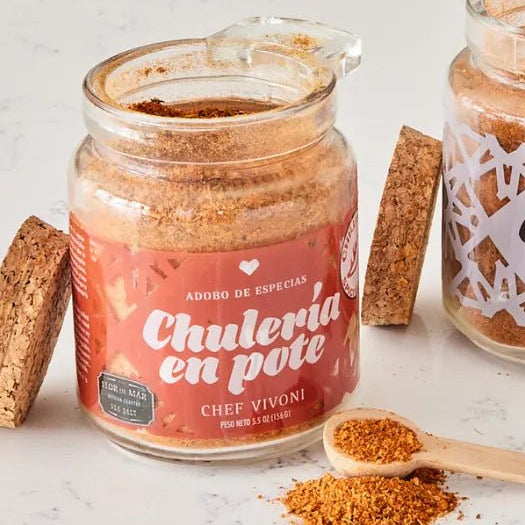
Chulería en Pote is made by Puerto Rican Celebrity Chef Ventura Vivoni — a chef who grew up on a coffee farm in Adjuntas, earned a Culinary Arts degree, became Executive Chef of a Caribbean resort at 27, worked alongside Michelin-starred kitchens in New York and Spain, and then came back home to Puerto Rico to build his restaurant on his family's farm.
What he created is a seasoning that does the work of both adobo and sazón, an all-purpose blend that layers flavor, depth, and complexity in a single jar. The ingredients tell you everything:
Salt, Paprika, Brown Sugar, Turmeric, Garlic, Onion, Chili, Thyme, Smoked Paprika, Cumin, Coffee, and a proprietary blend of spices.
The brown sugar helps caramelize. The coffee, a nod to his roots in one of Puerto Rico's great coffee regions, adds an earthiness that rounds everything out. The smoked paprika brings a complexity regular paprika never will. No artificial colors. No MSG. No fillers.
It comes in a reusable glass jar. With a wooden spoon included. Because the details matter.
Our Perspective
At Hedman Soto, we curate Latin pantry products that we would actually use in our own kitchens. Chulería en Pote was an easy decision. The flavor is there. The story is there. And the quality is something you can taste.
Learn more about why we carry what we carry in our About Us story.
Three Blends, Three Purposes
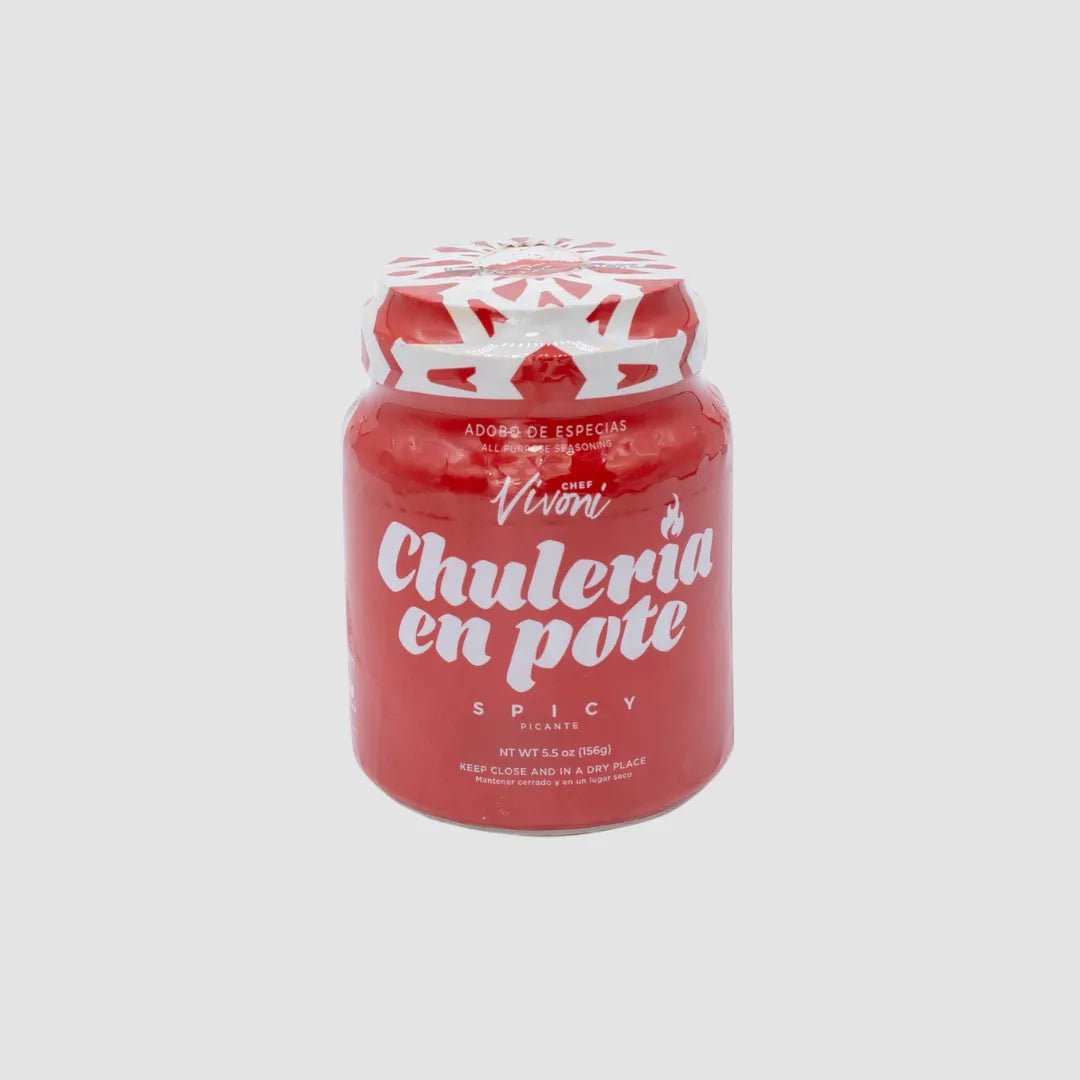
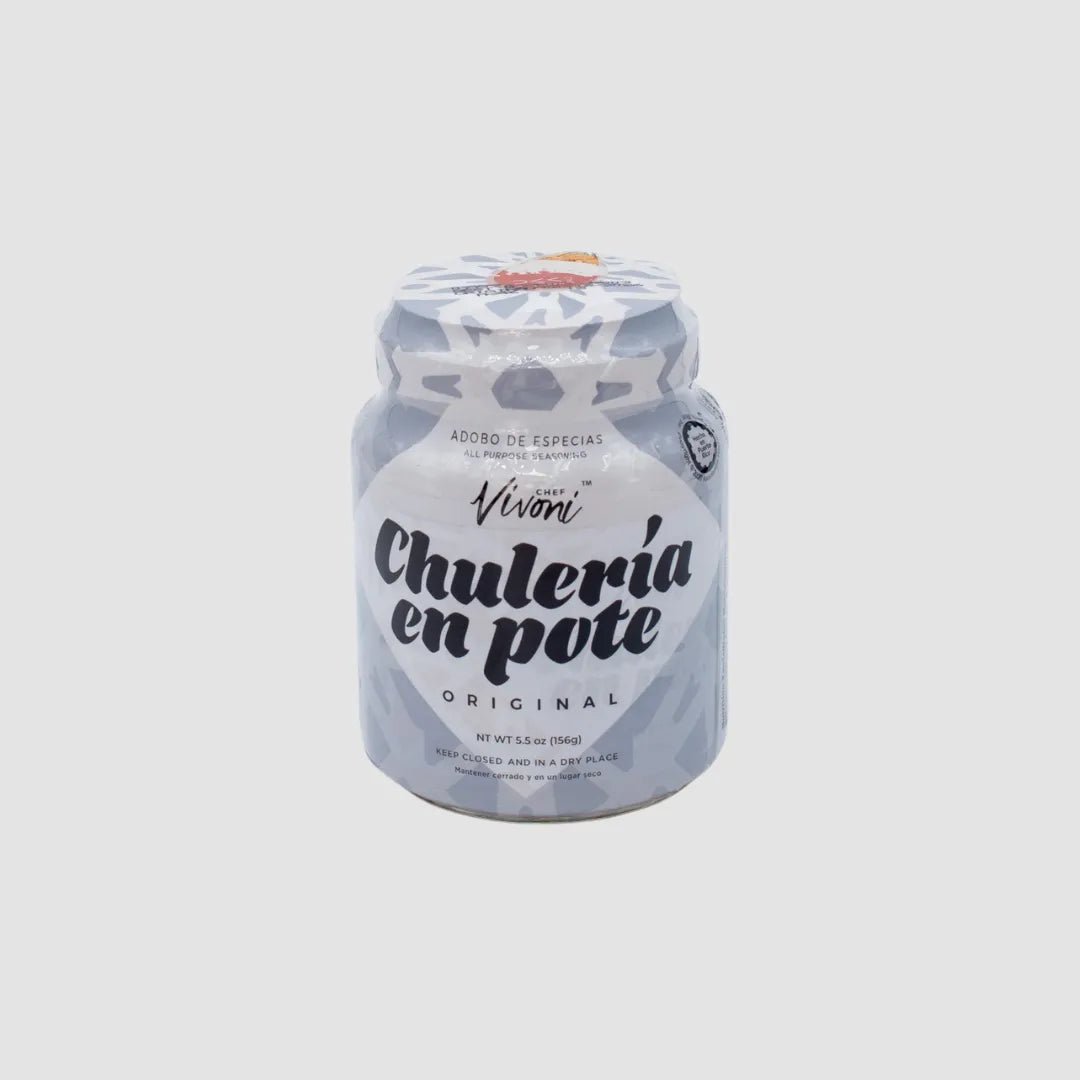
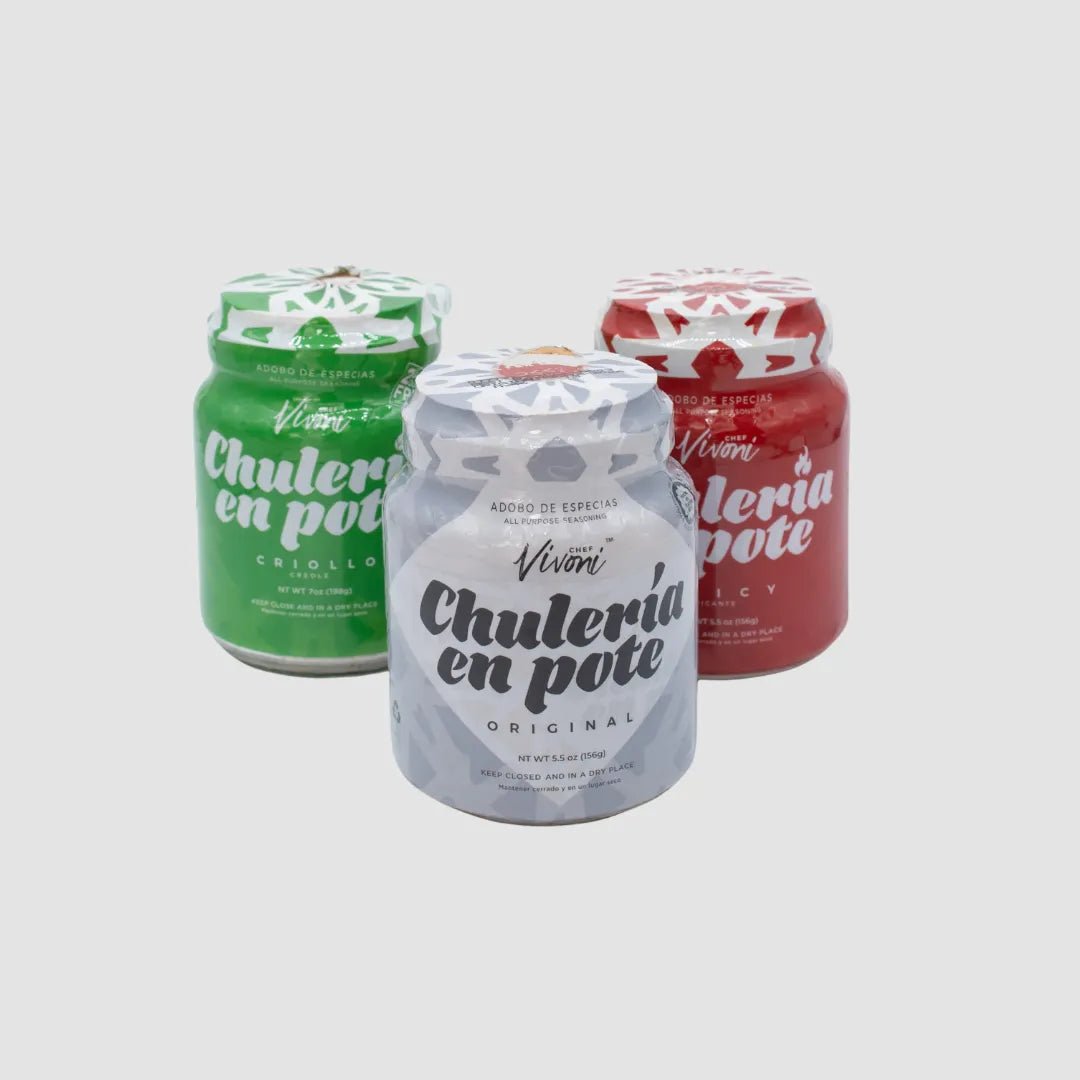
Chulería en Pote comes in three varieties, each with its own character.
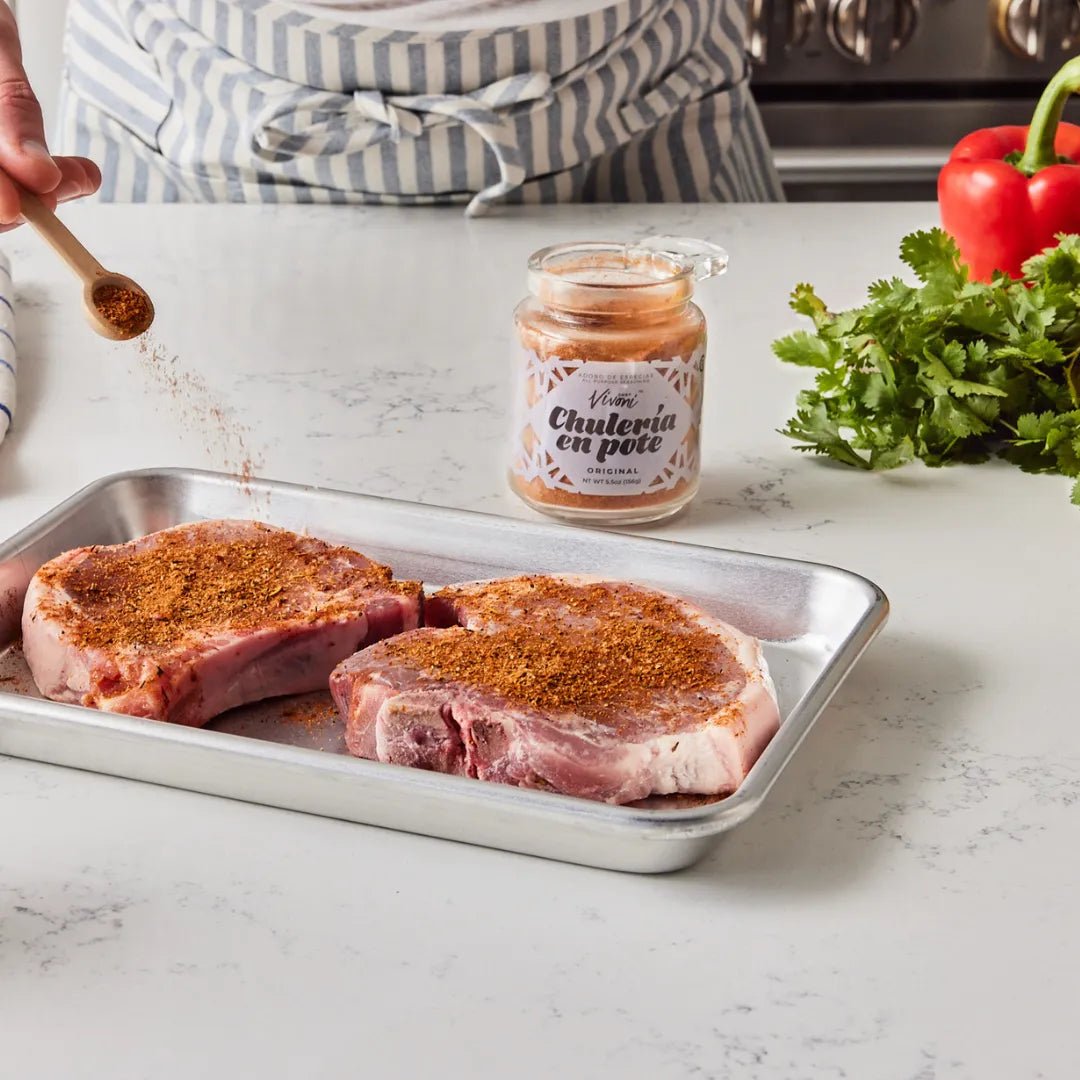
Original — The everyday blend. Warm, balanced, and savory with a hint of sweetness. Use it the way you would reach for adobo: on meats, in marinades, in sofrito, on vegetables. Works on everything.
Shop Chulería en Pote Original →
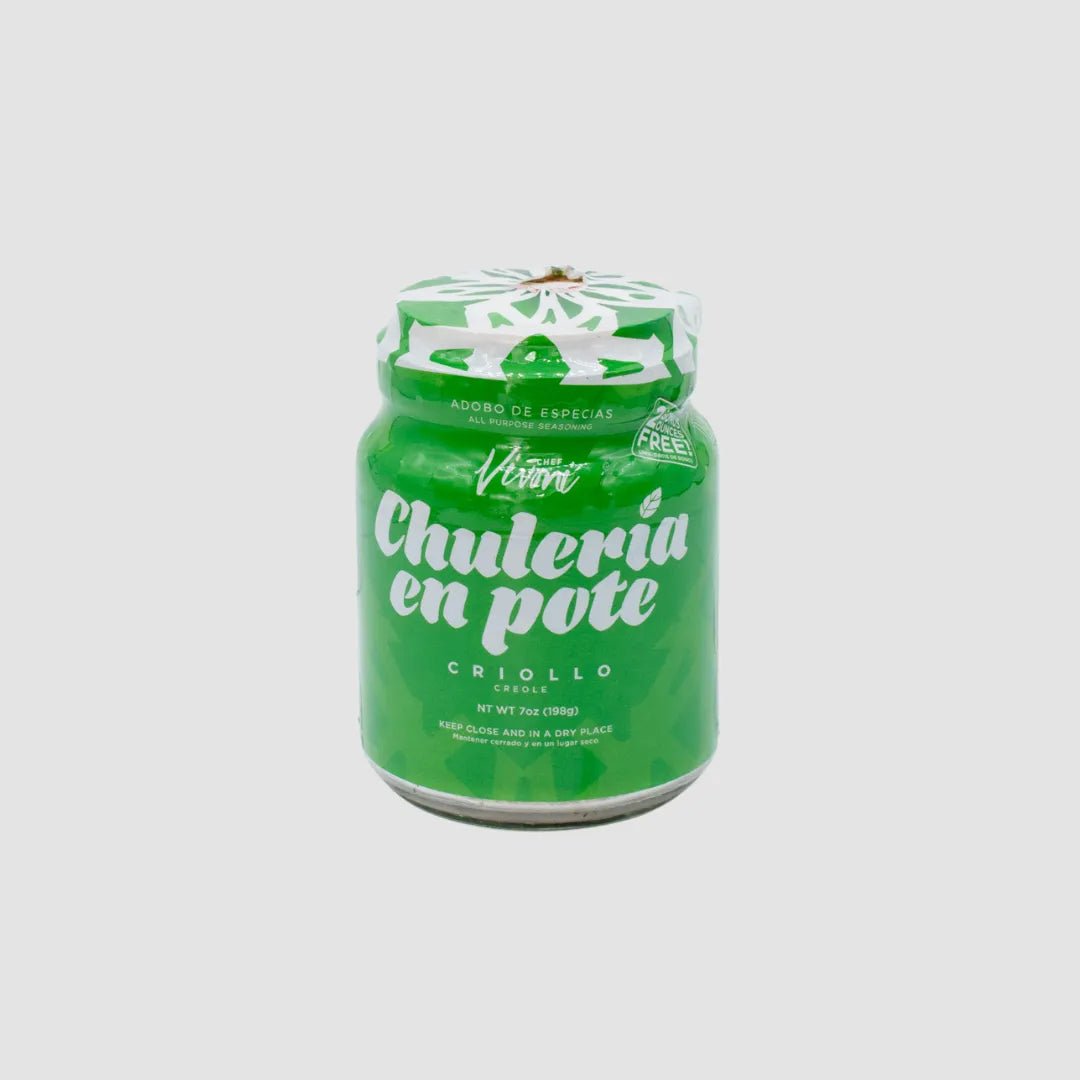
Criollo — The sazón-forward blend. Earthier and deeper, with the color and warmth typically associated with sazón-based dishes. This is the one for your rice, your stews, your bean dishes.
Shop Chulería en Pote Criollo →
Spicy — The bold one. Same foundation as Original, with heat added that builds gradually without covering the flavor underneath.
If you want to try all three, the Seasoning Trio has you covered.
Shop the Chulería en Pote Seasoning Trio →
How to Use Them in Your Kitchen
A few practical starting points:
- Pernil: Use Chulería en Pote Original as your adobo rub. Coat the pork generously and let it sit overnight in the fridge. The brown sugar in the blend builds the crust as it roasts.
- Arroz con gandules: Use Chulería en Pote Criollo in place of your sazón packet. Add it to the sofrito as it cooks in the oil before adding rice or liquid.
- Chicken marinade: Mix Original with olive oil, fresh garlic, and a squeeze of lime. Marinate overnight.
- Everyday vegetables: Toss with olive oil and Spicy, roast at 400°F. The smoked paprika caramelizes against the heat.
- Caldos and soups: One teaspoon of Original or Criollo added to the sofrito base seasons a full pot.
The Short Version
Adobo and sazón are the two pillars of Puerto Rican seasoning. One seasons. One colors and deepens. Most dishes use both.
The commercial versions are convenient but built for scale, not quality. If you want the real thing, made by a Puerto Rican chef who trained in Michelin kitchens and came back home to bottle what he learned, Chulería en Pote is where to start.
Browse our full Seasonings collection →