In this guide
If you've ever tasted real Puerto Rican cooking — the kind that fills the house with garlic and achiote on a Sunday morning — you know it starts long before the stove turns on. It starts in the pantry.
A well-stocked Puerto Rican kitchen isn't about having hundreds of ingredients. It's about having the right ones: the seasonings, grains, oils, and bases that form the backbone of criollo cuisine. With these Latin cooking essentials on hand, you can make arroz con gandules, pernil, tostones, caldo, and a dozen other dishes without a single extra grocery run.
This is the complete guide to stocking a Latin kitchen the right way. Whether you're Puerto Rican and rebuilding the pantry you grew up with, or you're new to Caribbean cooking and want to do it right from the start — every item on this list earns its place.
What Makes a Puerto Rican Pantry Different?
Puerto Rican cooking is built on layers of flavor. Unlike cuisines that rely on a single dominant spice, criollo food gets its depth from a combination of aromatics, spice blends, and slow-built bases that work together across nearly every dish.
Three things define the Puerto Rican pantry: sofrito as the aromatic foundation, sazón and adobo as the seasoning backbone, and achiote as the color and flavor signature that makes the food unmistakably boricua. If you have those three things dialed in, everything else falls into place around them.
The other defining feature is efficiency. Puerto Rican home cooks — especially abuelas — don't waste ingredients. Most pantry staples pull double or triple duty: olive oil for cooking and finishing, garlic in everything, recaíto in the rice and the beans and the stew. You build a small, focused collection of essential Caribbean spices and bases that does a lot of work.

Seasonings & Spices — The Foundation of Criollo Flavor
This is where Puerto Rican cooking lives or dies. Get the seasonings right and a simple pot of rice becomes something people remember. Here's what belongs on the shelf — the complete Puerto Rican spices list:
Sazón — The signature seasoning blend that gives Puerto Rican food its golden-orange color and savory depth. Traditional sazón combines achiote, coriander, cumin, garlic, and oregano. It goes in rice dishes, stews, beans, and marinades. You'll use it constantly.
Adobo — The all-purpose seasoning rub for meats and vegetables. A good adobo blend includes garlic powder, onion powder, oregano, black pepper, and salt. It's the first thing that touches pork shoulder when you're making pernil, and it works just as well on a weeknight chicken thigh.
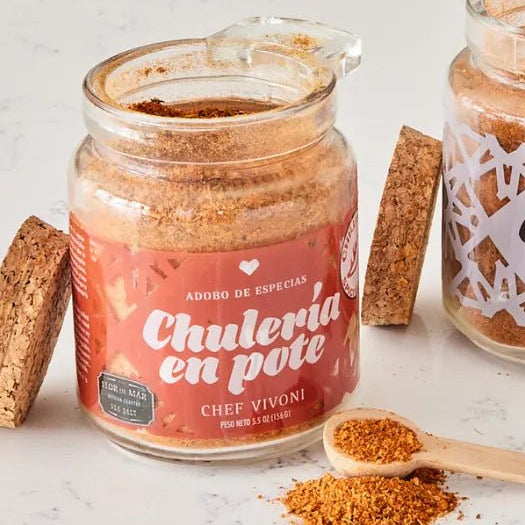
All-purpose criollo blend — This is what takes your cooking from good to "who made this?" A concentrated adobo built on salt, paprika, turmeric, onion, garlic and brown sugar, with thyme, smoked paprika, chilli, cumin and a little coffee behind them — it saves time without sacrificing complexity. Chulería en Pote is the one we keep in our kitchen. One jar handles everything from pernil seasoning to scrambled eggs.
Dried oregano — Not Italian oregano. Puerto Rican oregano (orégano brujo) has a stronger, more peppery flavor. If you can't find it locally, Mexican oregano is the closest substitute. Use it in beans, sofrito, and meat rubs.
Cumin (comino) — Ground cumin shows up in sazón blends and bean dishes. A small jar lasts a long time because you typically use just half a teaspoon at a time.
Bay leaves (hojas de laurel) — Essential for beans, soups, and any dish that simmers for more than 30 minutes. Drop one or two into the pot and remove before serving.
Black pepper & salt — Obvious, but worth stating. Coarse black pepper and fine sea salt. Nothing fancy needed, just have plenty on hand.
Garlic powder — For dry rubs and quick seasoning when fresh garlic isn't practical. Not a replacement for fresh garlic — a complement to it.

Featured product
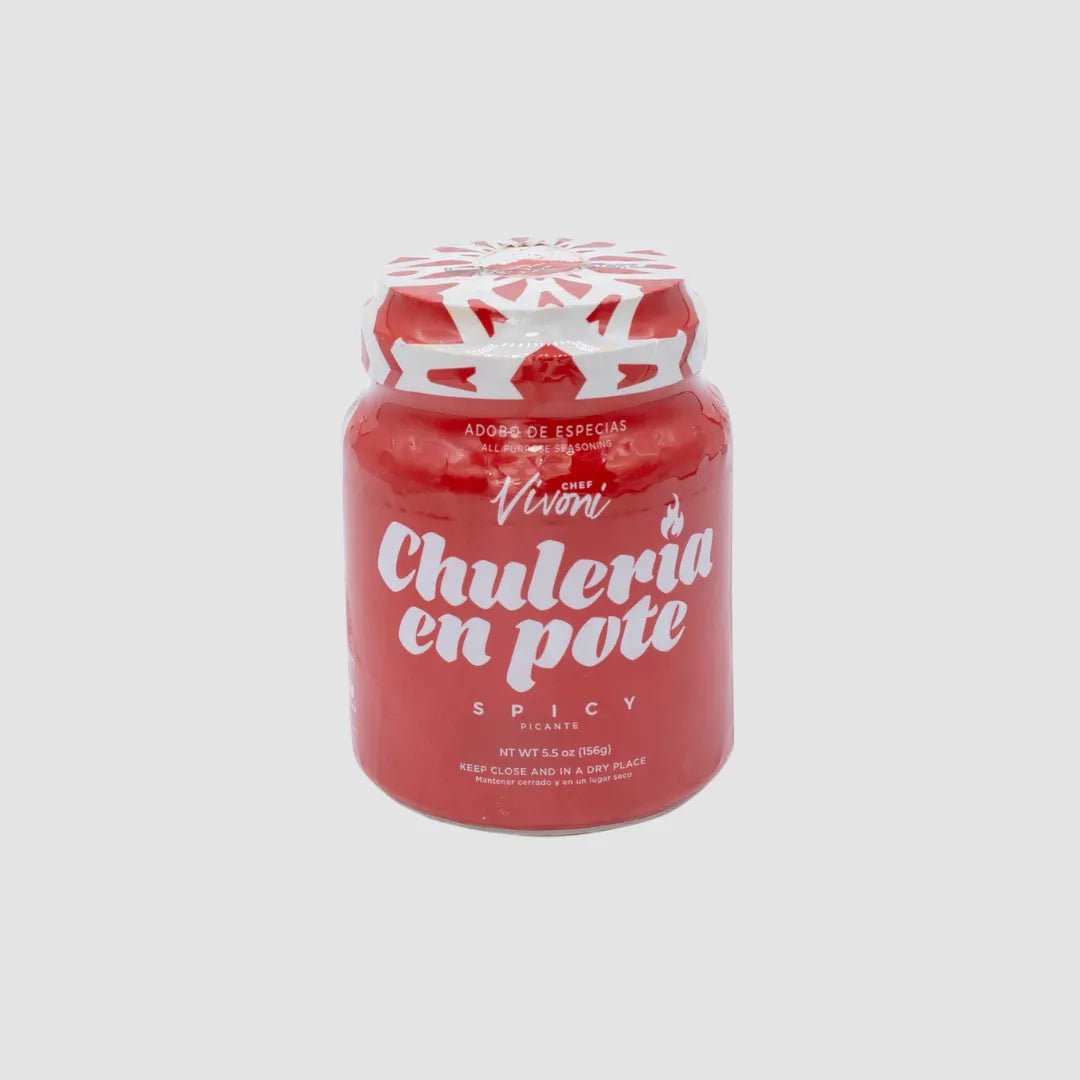
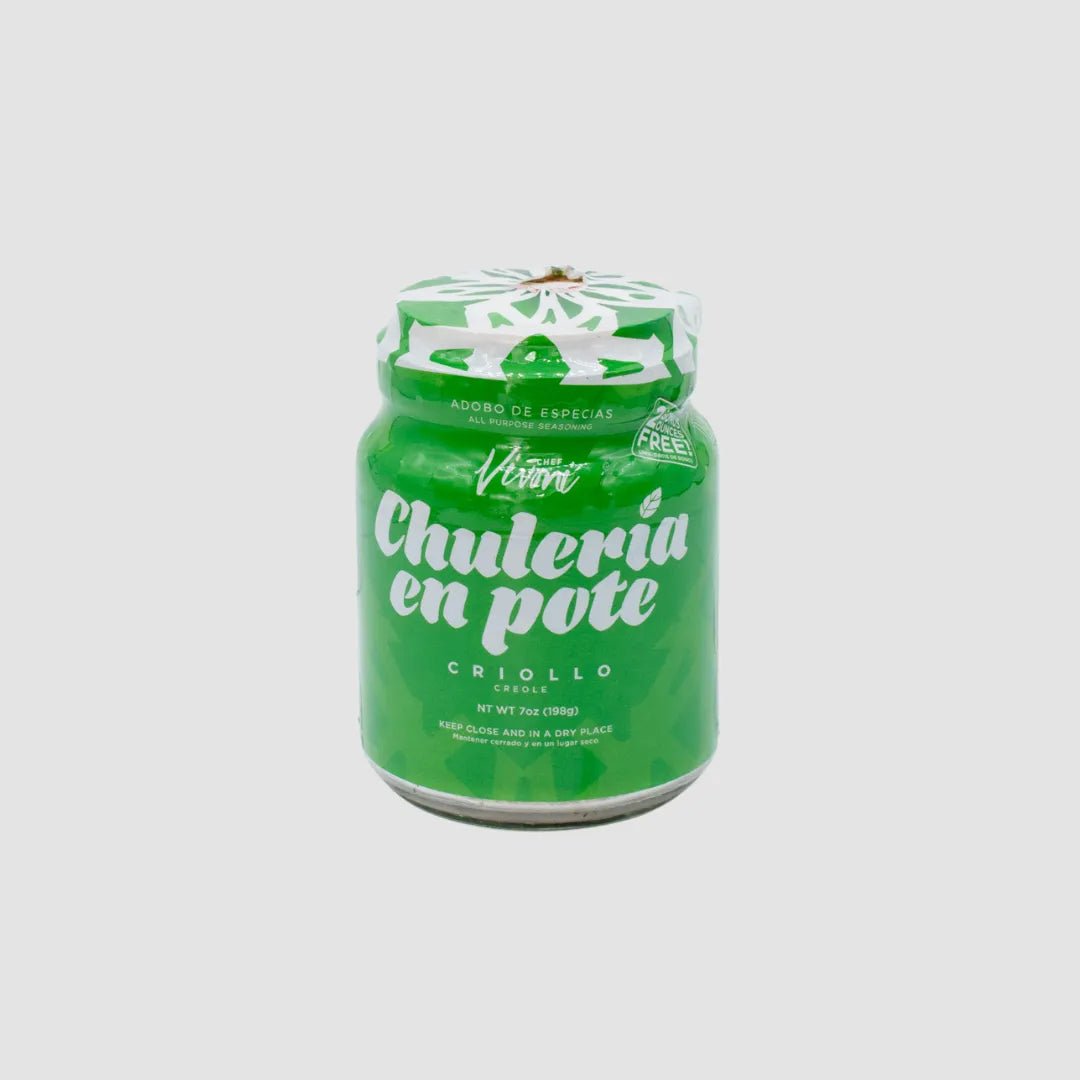
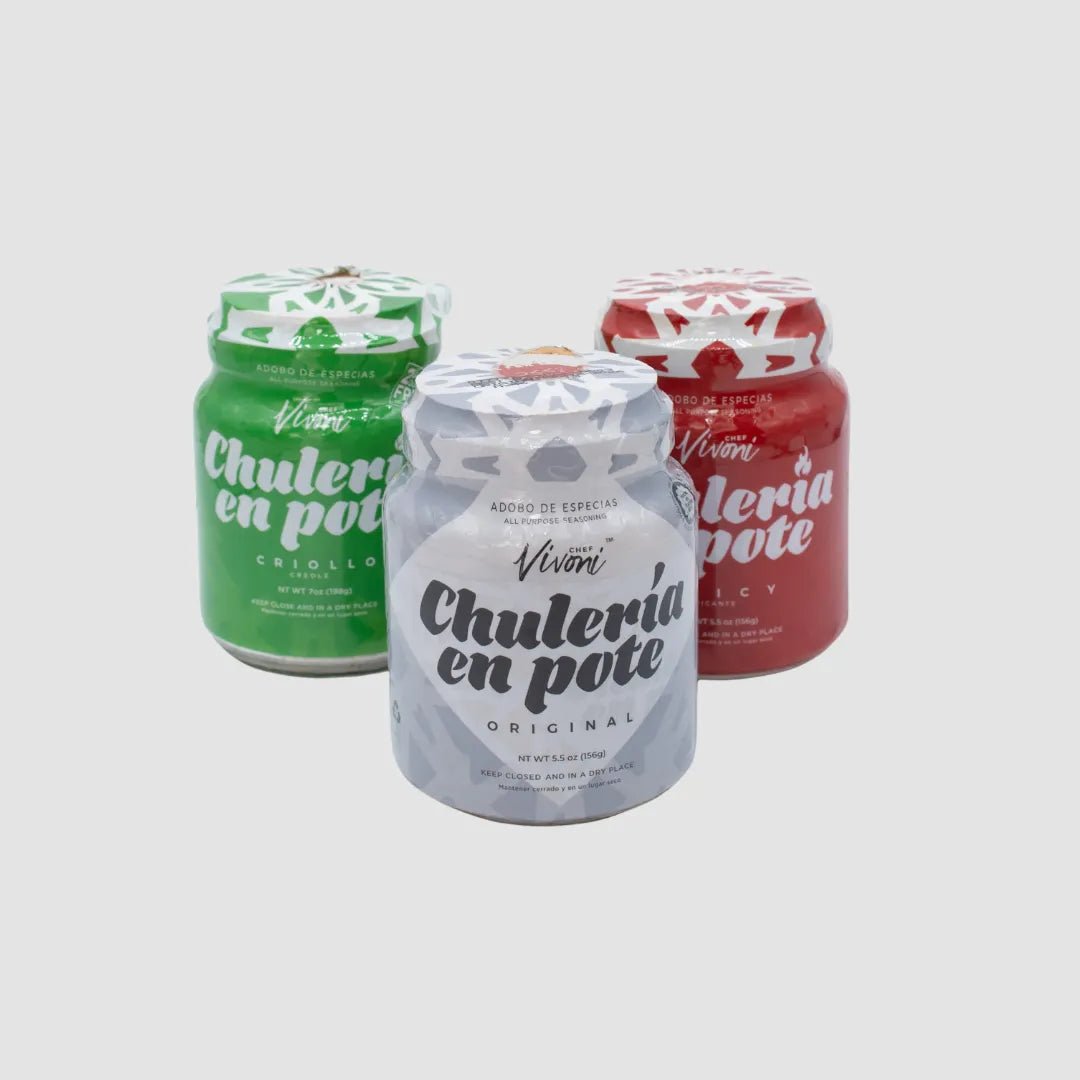
Chulería en Pote Seasoning Trio — $30
All three criollo blends in one bundle: Original, Criollo, and Spicy. The complete Puerto Rican seasoning shelf — Original and Spicy in 5.5 oz jars, Criollo in 7 oz. Packed in Puerto Rico. Ships across the US.
Shop the Trio — $30 Try Original — $12Oils, Vinegars & Bases
Every great Puerto Rican dish starts with a good fat and a good base. Here are the cooking oils and bases that belong in your Latin kitchen pantry:
Olive oil — The primary cooking fat in Puerto Rican cuisine. Use a regular olive oil for sautéing sofrito and frying, and keep a decent extra virgin on hand for finishing beans and drizzling on tostones. You'll go through a lot of it.
Vegetable oil or canola oil — For deep frying. Tostones, alcapurrias, bacalaítos — anything that needs to be submerged in hot oil. Olive oil has too low a smoke point for this.
Achiote oil (aceite de achiote) — Olive oil infused with annatto seeds. This is what gives arroz con gandules and other rice dishes their signature golden color. You can buy it pre-made or make your own by gently heating annatto seeds in olive oil for five minutes and straining. Keep a small jar ready at all times.
White vinegar — For escabeche (pickled preparations), cleaning meats before seasoning, and the occasional vinagreta. Distilled white is the standard.
Sofrito — The aromatic base of Puerto Rican cooking. Traditional sofrito ingredients include ají dulce peppers, recao (culantro), cilantro, garlic, onions, and sometimes tomato, all blended into a fragrant paste. It goes into beans, rice, soups, stews — nearly everything that touches a pot. Make a large batch and freeze it in ice cube trays so you always have some ready.
Recaíto — Similar to sofrito but without tomato, giving it a greener, more herbaceous flavor. Many Puerto Rican cooks use sofrito and recaíto interchangeably depending on the dish. Goya makes a widely available jarred version, but homemade is noticeably better.

Grains, Beans & Legumes
Medium-grain white rice — The rice of Puerto Rican cooking. Not long-grain, not short-grain — medium-grain. It absorbs flavor from the sofrito and caldo while staying distinct and slightly sticky. Brands like Goya and Rico are the standard. Buy the largest bag your storage allows; you'll use it multiple times a week.
Gandules (pigeon peas) — The other half of arroz con gandules, Puerto Rico's national dish. Canned gandules are perfectly fine and what most home cooks use. Green gandules are the most common; some recipes call for gandules secos (dried) which have a more concentrated, nuttier flavor.
Pink beans (habichuelas rosadas) — The bean of Puerto Rican cuisine. Cooked low and slow with sofrito, ham hocks, and potatoes into habichuelas guisadas — the stewed beans served alongside rice at nearly every meal. Dried beans taste better; canned work in a pinch.
Black beans — Less traditional in Puerto Rican cooking than pink beans, but still a regular in modern Puerto Rican kitchens for soups and as a side.
Dried chickpeas (garbanzos) — For bacalao con garbanzos and other Lenten dishes, plus ensalada de pulpo. Worth keeping a bag on hand.

Canned & Jarred Goods
Tomato sauce — Plain, unflavored tomato sauce. The 8-oz cans. It goes into beans, rice, stews, and guisos. Buy it by the half-dozen because you'll reach for it constantly. Spanish-style tomato sauce (with some seasoning already added) works even better if you can find it.
Chicken bouillon / caldo de pollo — Bouillon cubes or powder. Knorr and Goya are the go-to brands. It adds instant savory depth to rice dishes and soups. Homemade stock is ideal, but bouillon is what most home cooks actually use day to day.
Olives and capers (alcaparrado) — The garnish that defines many Puerto Rican stews and rice dishes. Alcaparrado is a pre-mixed jar of manzanilla olives, pimientos, and capers. It adds brininess and color to dishes like arroz con pollo and carne guisada.
Canned coconut milk — For coquito (the Puerto Rican coconut eggnog), arroz con dulce, and tembleque. Full-fat is essential — light coconut milk doesn't have the richness these recipes demand.
Achiote seeds (annatto) — Small, brick-red seeds used to make achiote oil. Sold in small bags in the Latin aisle. They last practically forever in a sealed container.
Join the Hedman Soto family
Get Recipes, Tips & 15% Off Your First Order
Puerto Rican recipes, cooking guides, and early access to new products — delivered to your inbox. No spam, just flavor.
Join 500+ home cooks who get our weekly criollo cooking tips.
Subscribe & Save 15% →
Fresh Staples to Always Have
No Latin cooking ingredients list is complete without the fresh produce that gives Puerto Rican food its life. These are the items you should always have on hand:
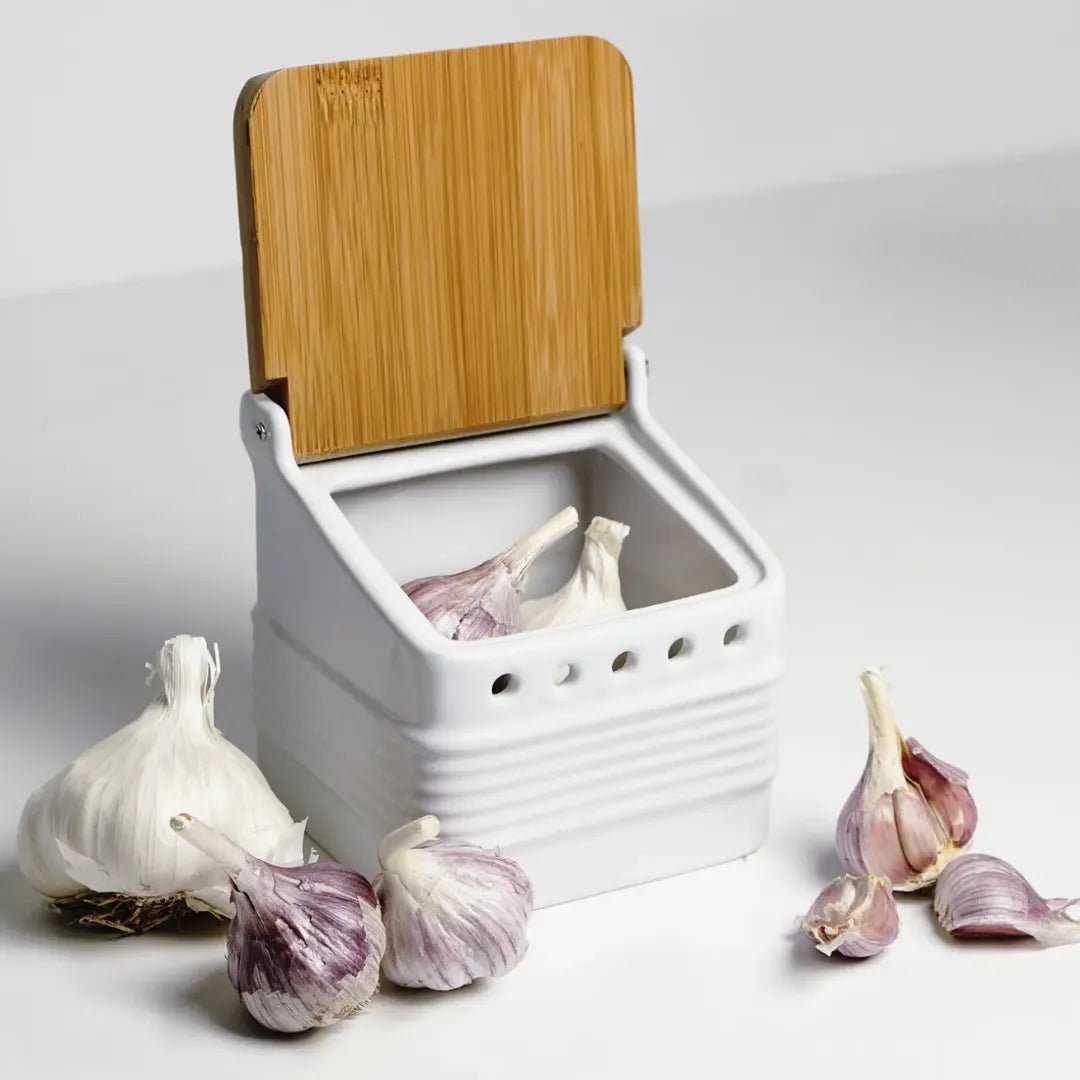
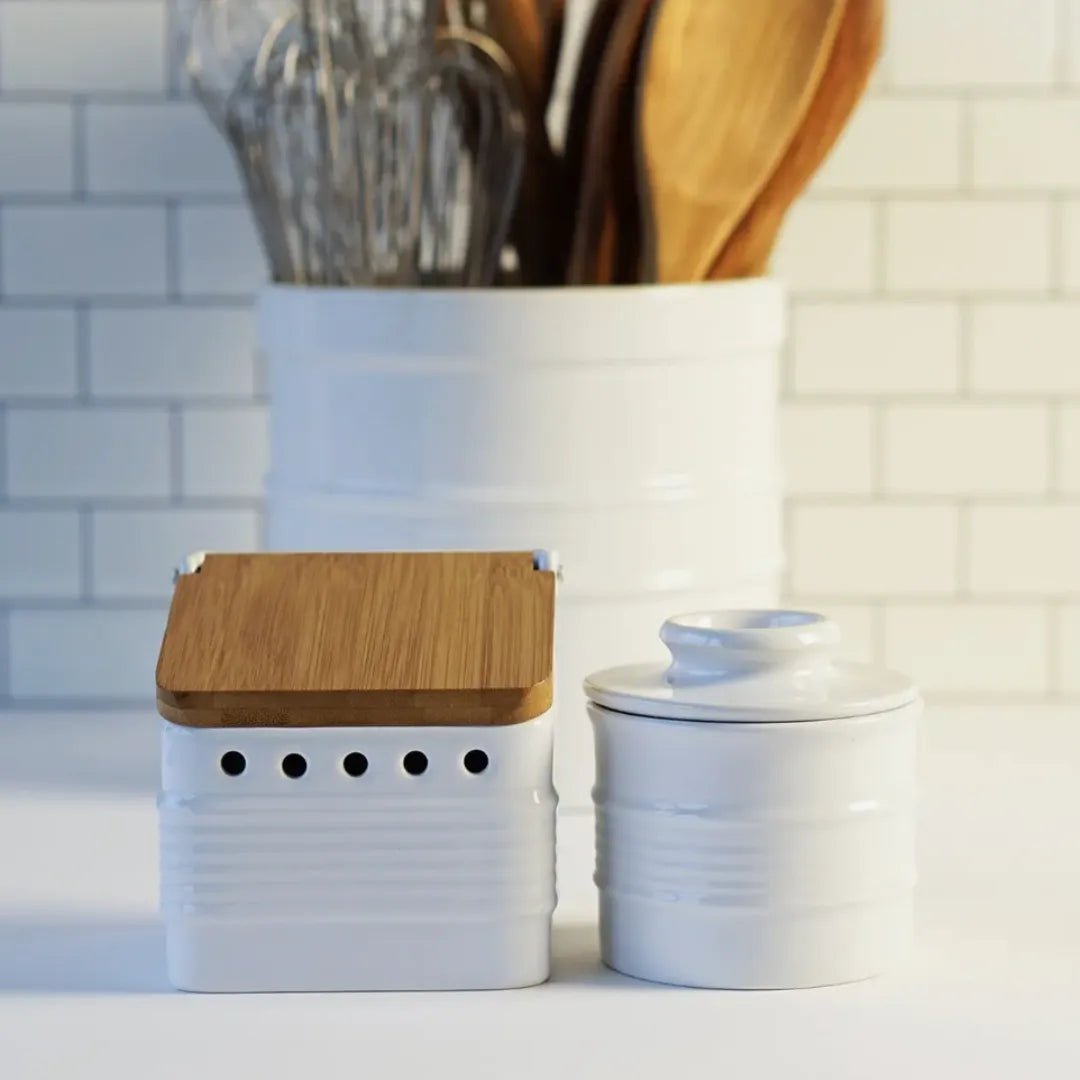
Garlic — Fresh garlic. Whole heads. Puerto Rican cooking uses an almost unreasonable amount of garlic, and that's exactly right. For pernil alone you'll use an entire head. Keep at least two on hand at all times. A garlic keeper on the counter helps them last longer.
Onions — Yellow onions for cooking, white onions for quick pickles and garnishes. They're the first thing in the pan for almost every recipe.
Ají dulce peppers — Small, sweet peppers that look like habaneros but have zero heat. They're the essential ingredient in authentic sofrito and recaíto. If you can't find them fresh, frozen ají dulce from a Latin grocery store works well. Cubanelle peppers are the closest substitute.
Culantro (recao) — Not cilantro — culantro. Long, serrated leaves with a flavor that's similar to cilantro but much more intense and aromatic. It's the herb that makes Puerto Rican sofrito taste distinctly Puerto Rican. Find it at Latin or Asian grocery stores. If unavailable, use cilantro at roughly double the quantity.
Cilantro — Used alongside culantro in sofrito and as a garnish. Keep a bunch in the fridge wrapped in a damp paper towel.
Limes & lemons — For finishing, for drinks, for cutting through richness. A squeeze of lime on tostones or over beans makes everything sing.
Plantains — Green for tostones and mofongo, ripe (yellow-black) for maduros. They ripen on the counter over a week, so buy green ones a few days before you need ripe ones.

Essential Kitchen Tools
You don't need a lot of specialized equipment for Puerto Rican cooking, but a few essential kitchen tools make a significant difference:
Caldero — The heavy aluminum or cast-iron pot used for rice and stews. The thick bottom distributes heat evenly and creates the prized pegao — the crispy rice crust at the bottom. If you don't have a caldero, a heavy Dutch oven works.
Pilón (mortar and pestle) — For mashing garlic into paste, crushing spices, and making mofongo. A large wooden pilón is traditional. The pounding action releases oils and flavors that a food processor can't replicate.
Tostonera — The flat press used to smash plantain slices into tostones. You can use the bottom of a glass, but a tostonera gives uniform thickness and makes the process faster. Our kitchen collection has tools made for exactly this kind of cooking.
Good sharp knife — For breaking down garlic, peppers, onions, and herbs for sofrito. A sturdy chef's knife is all you need.
Large cutting board — Sofrito prep generates volume. Give yourself space.
A quality apron — Achiote stains everything it touches. A waist apron keeps your clothes safe during the sazón-heavy work.
How to Build Your Pantry From Scratch
If you're starting from zero, here's the order of priority for building a Puerto Rican pantry step by step:
Week 1 — The absolute essentials: Medium-grain rice, canned gandules, pink beans, olive oil, garlic, onions, tomato sauce, a good all-purpose criollo seasoning blend (Chulería en Pote Original covers sazón and adobo in one jar), and chicken bouillon. With just these items, you can make arroz con gandules and habichuelas guisadas — two of the most important dishes in Puerto Rican cooking.
Week 2 — Building depth: Sofrito (make a batch and freeze it), achiote oil or annatto seeds, alcaparrado, dried oregano, cumin, bay leaves, and plantains. Now you can add tostones, a proper carne guisada, and more complex rice dishes to the rotation.
Week 3 — The finishing touches: Culantro and ají dulce (if available), coconut milk for desserts, additional seasoning variants like the Criollo blend for stews, vinegar for escabeche, and lime. You're now fully stocked for nearly any Puerto Rican recipe you'll encounter.
The beauty of this approach is that each week's additions build on what you already have. By week three, you aren't just stocking a pantry — you're developing a cooking rhythm.

Ready to stock up?
Browse the Full Latin Pantry
Seasonings, sauces, and Puerto Rican coffee — everything you need to cook bold, authentic criollo food at home. Ships across the US.
Shop Pantry Shop Kitchen ToolsFrequently Asked Questions
What are the most important Puerto Rican pantry staples?
The five non-negotiables are: medium-grain white rice, an all-purpose criollo seasoning blend (sazón + adobo), sofrito, olive oil, and garlic. With these five ingredients, you can make the majority of foundational Puerto Rican dishes including arroz con gandules, habichuelas guisadas, and basic meat preparations.
Where can I find Puerto Rican ingredients in the US?
Most basics (rice, canned gandules, beans, Goya products) are available in the Latin/international aisle of major grocery stores. For specialty items like culantro, ají dulce peppers, and artisan seasonings, check Latin grocery stores or shop online. Hedman Soto ships seasonings and pantry items across the US.
What's the difference between sofrito and recaíto?
Both are aromatic cooking bases made from peppers, herbs, garlic, and onion. The main difference is that sofrito typically includes tomato, giving it a red-orange color and slightly sweeter flavor, while recaíto omits the tomato for a greener, more herbaceous profile. Many Puerto Rican cooks use them interchangeably.
Can I use regular cilantro instead of culantro?
Yes, but use roughly double the amount. Culantro (recao) has a much more concentrated, aromatic flavor than cilantro. They're related plants, so cilantro is the best substitute, but the final result will taste slightly different. If you can find culantro at a Latin or Asian grocery store, it's worth seeking out.
How much does it cost to stock a Puerto Rican pantry?
Starting from scratch, expect to spend $40–60 for the core essentials (rice, beans, oil, seasonings, canned goods, garlic, onions) and another $20–30 for the secondary items. The investment pays for itself quickly — these ingredients make dozens of meals and most staples last weeks or months in storage.
What is sazón seasoning made of?
Traditional sazón is a blend of ground achiote (annatto), coriander, cumin, garlic powder, oregano, and salt. It's the signature seasoning that gives Puerto Rican rice dishes, stews, and meats their golden-orange color and savory depth. Some commercial brands add MSG. Blends differ, so read the jar’s own ingredient declaration — Chulería en Pote prints its declaration on the label, and we publish it as written.
 |
About the author Hedman Soto Born in Puerto Rico, Hedman grew up learning to cook from his mother and bake from his father. He founded Hedman Soto to share the flavors, tools, and traditions of criollo cooking with kitchens across the US. Every product in the store is something he actually uses at home. |