By Hedman Soto · Food Guides · 9 min read
Quick Answer
Cilantro is the fresh leaf of the Coriandrum sativum plant — the herb that makes sofrito smell like a Puerto Rican kitchen, anchors Mexican salsa verde, and carries the backbone of Latin cooking from the Caribbean to the Andes. It tastes bright, citrusy, and herbaceous. In Latin kitchens, it's never just a garnish. It's a foundation ingredient, used by the handful, not the pinch.
In This Guide
- Growing Up With Cilantro
- What Cilantro Actually Is
- How Latin Kitchens Use Cilantro
- Cilantro vs. Culantro (Recao) — The Difference That Matters
- Cilantro in Sofrito: What It Does
- Finding Cilantro and Recao on the Mainland
- Why Some People Taste Soap (The Gene Explanation)
- How to Keep Cilantro Fresh
- Where to Use Cilantro in Latin Cooking
- The Seasoning That Works Alongside Fresh Cilantro
- Frequently Asked Questions
There are two kinds of cilantro questions. The first kind is what a search engine gets: what species it is, what its nutritional profile looks like, whether it's "healthy." Those answers exist in a thousand places.
The second kind is what a Latin cook actually wants to know: how much to use, when to add it, how it's different from culantro (recao), what happens when it hits the sofrito, and why your grandmother's kitchen smelled the way it did on Sunday mornings.
I'm Hedman. I grew up in Puerto Rico. I sell Puerto Rican seasonings. And I planted my first cilantro garden with my mother when I was a kid. That's the question we're actually answering here.
Growing Up With Cilantro
My connection to cilantro isn't just culinary, it's physical. My mom and I used to plant cilantro together when I was young. We'd prepare a small patch of the yard: cleaning it out, working the soil, pressing the seeds in. Then waiting. Then watching it come up.
When she needed some for cooking, she'd send me out to get a bunch. I'd cut it, and that smell, fresh-cut cilantro in the open air, would hit immediately. Then I'd run it back to the kitchen. There's no price for a memory like that. We'd give clippings to family and friends when they came by. It was that abundant, and that generous.
That garden is where I learned that cilantro isn't something you keep in a drawer. It's something alive. You grow it, you tend it, and then you use it the same day you cut it. That's how it's supposed to work.
"The aroma of fresh-cut cilantro and me running back to the kitchen, there is no price for that."
— Hedman Soto, Founder
 Hedman's mom, same tradition as always.
What Cilantro Actually Is
Cilantro (Coriandrum sativum) is the fresh leaf form of the coriander plant. When the plant flowers and seeds, those dried seeds become coriander spice, a different flavor entirely, warm and citrusy rather than bright and green. Same plant, two completely different uses.
The word "cilantro" comes from Spanish. In Puerto Rico, we call it cilantrillo, the diminutive, though there's nothing small about the role it plays. In the UK and much of Asia, the fresh leaf is just called "coriander." In Latin America, cilantro is universal, from Mexico's salsa verde to Colombia's ajiaco to Puerto Rico's sofrito.
It's a tender herb, meaning it loses its volatile aroma compounds quickly under heat. That's why it goes in at the end of cooking, or raw, unlike hardier herbs like thyme or oregano that you can simmer for an hour. It blooms in the last five minutes, not the first hour.
How Latin Kitchens Use Cilantro
In mainstream American cooking, cilantro is a garnish, a few leaves scattered on top of a bowl of chili or a plate of tacos. That's a fundamental misunderstanding of what the herb is for.
In Latin cooking, cilantro is a base ingredient. It goes into:
- Sofrito — the flavor foundation of Puerto Rican, Cuban, and Dominican cooking. A full bunch of cilantro goes into the blender alongside recao, ají dulce, onion, and garlic.
- Arroz con gandules — non-negotiable. The cilantrillo is what gives the rice its flavor. If it's missing, the whole dish feels wrong.
- Salsa verde and chimichurri — Mexican salsa verde and Argentine chimichurri both use cilantro as a primary herb, not an afterthought.
- Marinades — blended into mojo, adobo pastes, and wet rubs for pernil and chicken.
- Finishing stews — added to beans and sopa de pollo in the last two minutes of cooking so it stays bright.
The key technique: add cilantro in two stages. A small amount goes in early for depth. A fresh handful goes in at the end for brightness. The layering is what separates good from great.
Cilantro vs. Culantro (Recao) — The Difference That Matters
Yes, we use both. Usamos los dos para el sofrito. That's non-negotiable in a Puerto Rican kitchen. But they're not interchangeable — and my mom said something this past week that I thought was a perfect way to put it: she uses recao for the habichuelas and cilantrillo for the rice. Each one has its lane.
The confusion is understandable, their names are nearly identical, they're used in the same dishes, and they share some of the same flavor compounds. But they're completely different plants. Here's the breakdown:
| Cilantro (Cilantrillo) | Culantro (Recao) | |
|---|---|---|
| Botanical name | Coriandrum sativum | Eryngium foetidum |
| Also called | Cilantrillo, coriander leaf | Recao, fitweed, long coriander, shadow beni |
| Leaf shape | Delicate, feathery, round-lobed | Long, serrated, spiky edges |
| Flavor intensity | Bright, citrusy, mild | Stronger, earthier. Roughly 10× more concentrated |
| Heat tolerance | Loses flavor quickly when cooked | Holds up well in long-cooked dishes |
| Best use | Rice, sofrito, finishing | Habichuelas, stews, long braises |
| In Chulería en Pote Criollo? | Fresh only | ✓ Dried, in the blend |
One more thing I want to be clear about: cilantrillo is not parsley. Parsley is not cilantrillo. They look similar to someone who didn't grow up with both in the kitchen, but the flavor difference is enormous. Parsley is mild and slightly bitter. Cilantro is bright, herbal, and unmistakable. Using one in place of the other changes the dish entirely.
For a deeper dive on recao specifically, see our complete guide to recao (culantro).
Cilantro in Sofrito: What It Does
My mom and I just made a big batch of sofrito this past week. She always makes it in large quantities, usually with my father, using the cilantrillo she grows in her yard and the ají dulces from my father's farm. That sofrito smells like the best possible version of every Puerto Rican dish at once: herbal, garlicky, oniony. It's flavor in a jar. It's the smell that tells you something good is cooking.
We freeze it in plastic containers. A big batch, packed up, ready to go. Pull one out, sauté it in hot olive oil for 30–45 seconds until it blooms, then add your beans or your rice or your protein. That moment when the sofrito hits the pan, that's the sound and smell of a Puerto Rican kitchen activating.
Cilantro's role in sofrito is brightness and color. It breaks down into the sauce and disappears visually, but you'd immediately know if it was missing, the dish would taste flatter, more one-dimensional. The cilantrillo is what lifts everything else.
How We Freeze Sofrito
Make a big batch! The full sofrito with a whole bunch of cilantro, recao, ají dulce, onion, and garlic. Freeze it in plastic containers. When you need it, pull out a container, break off what you need, and drop it straight into hot olive oil. Let it sizzle for 30–45 seconds until the aroma blooms, then add your ingredients. The frozen sofrito keeps for months and makes every weeknight meal taste like Sunday.
Finding Cilantro and Recao on the Mainland
Cilantro is everywhere now, any grocery store, any city. That wasn't always the case, but the market has caught up. Recao (culantro) is a different story. When I first moved to New York, it wasn't easy to find. You'd see parsley everywhere, but cilantrillo and recao? Only in Spanish neighborhoods, only in markets that knew their customers.
If you know, you know. In New Jersey, I have a Spanish supermarket nearby, that's where I stock up. In Brooklyn, I go to a market near Sunset Park where the fresh herbs are always good. These stores exist in every major city. You just have to find your spot.
If you can't find fresh recao at all, dried culantro is available in the Latin foods aisle of larger supermarkets. Or it's in our Chulería en Pote Criollo blend — Chef Vivoni built it in, and you can taste it immediately. That's what a well-made Puerto Rican seasoning is supposed to do.
Why Some People Taste Soap
I recently learned about this, and honestly, I feel bad for those people. I mean that sincerely. They're missing the real experience of cilantro, and it's not their choice or their fault.
A genetic variant in the OR6A2 gene makes certain people highly sensitive to the aldehyde compounds in cilantro, the same compounds that most people perceive as "citrusy" or "bright" are perceived as soapy or chemical by those with this variant. Studies estimate about 14–21% of people with European ancestry carry this variant, compared to around 3–7% of people with Latin American, East Asian, or South Asian descent. That geographic difference is real: populations that have grown and cooked with cilantro for generations have largely selected this sensitivity out.
Some people find that repeated exposure helps over time. Others never come around. If cilantro is genuinely unpleasant to you, culantro/recao has a different aldehyde composition that many cilantro-sensitive people find more tolerable — worth trying if sofrito is otherwise something you want to make.
How to Keep Cilantro Fresh
At home, I buy cilantro when I know I'm going to use it or when my mom is coming. It doesn't stay fresh long enough to justify keeping it stocked at all times. That said, with the right method, you can extend it significantly beyond what most people get.
The standard paper towel in the crisper works for 3–5 days. Here's better:
- Trim the stems — Cut about half an inch off the bottom, like you're putting flowers in a vase.
- Stand it in water — Place the bunch in a glass or jar with about an inch of water. Stems submerged, leaves out.
- Cover loosely — Drape a plastic bag over the top to hold humidity in without sealing it.
- Refrigerate on a shelf — Not the crisper. A regular shelf works better.
- Change the water every few days — Same logic as fresh-cut flowers.
Done right, this keeps cilantro bright and fresh for 10–14 days. If you're making a big sofrito batch, though, the smarter move is to use it all immediately and freeze the sofrito. You're not preserving the herb, you're locking in the flavor at its peak.
Where to Use Cilantro in Latin Cooking
With timing notes that most recipes skip:
- Arroz con gandules — This is the non-negotiable for me. The cilantrillo is what gives the rice its flavor. Don't skip it, don't reduce it. Add a handful in the last few minutes of cooking.
- Sofrito — Goes in raw, blended. A whole bunch per batch. Foundation use, not optional.
- Habichuelas guisadas — My mom uses recao here, not cilantrillo. But if you only have cilantro, add a few sprigs in the last 5 minutes. Not earlier — it will go brown and muddy.
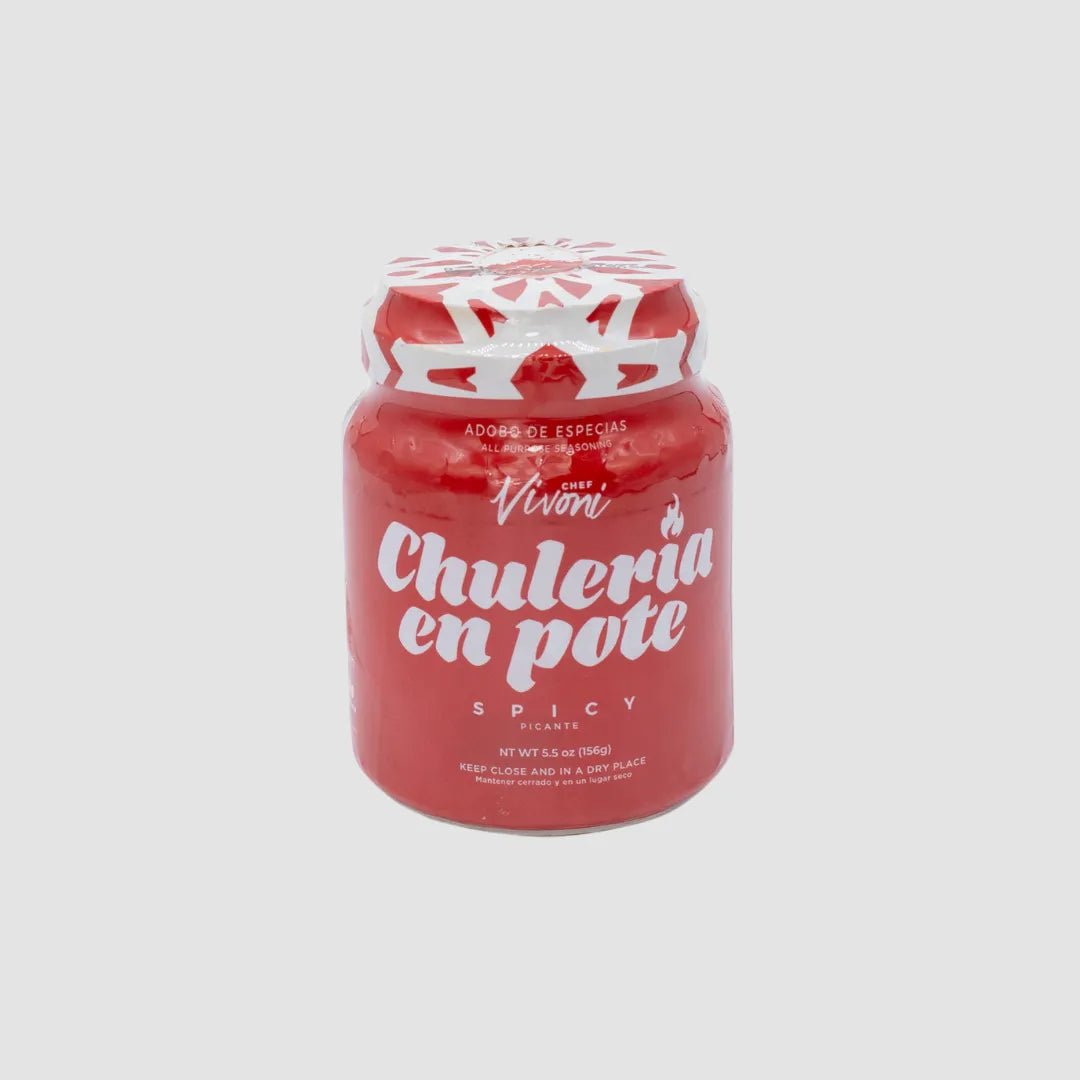
- Pernil marinade — Blend into wet adobo paste with recao, garlic, and olive oil. Use alongside Chulería en Pote Spicy for a layered marinade.
- Asopao — Puerto Rican rice stew. Add at the end with a squeeze of lime. The two together brighten the whole bowl.
- Salsa and pico de gallo — Always raw, stirred in fresh. The reason store-bought salsa tastes different from homemade is cilantro degrading during pasteurization.
- Tostones mojo — Blended with garlic, olive oil, and lime into a cilantro mojo. See our tostones guide for the full method.
The Seasoning That Works Alongside Fresh Cilantro
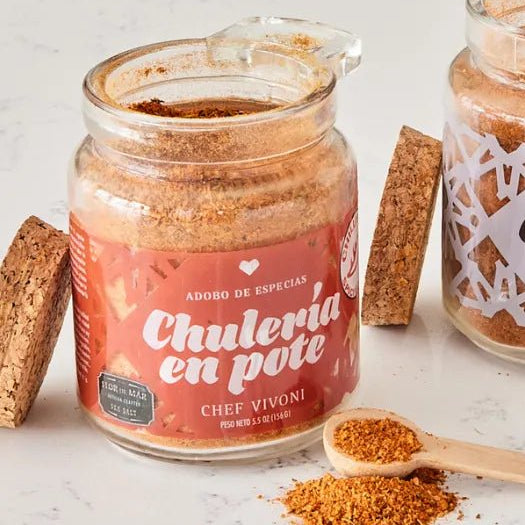
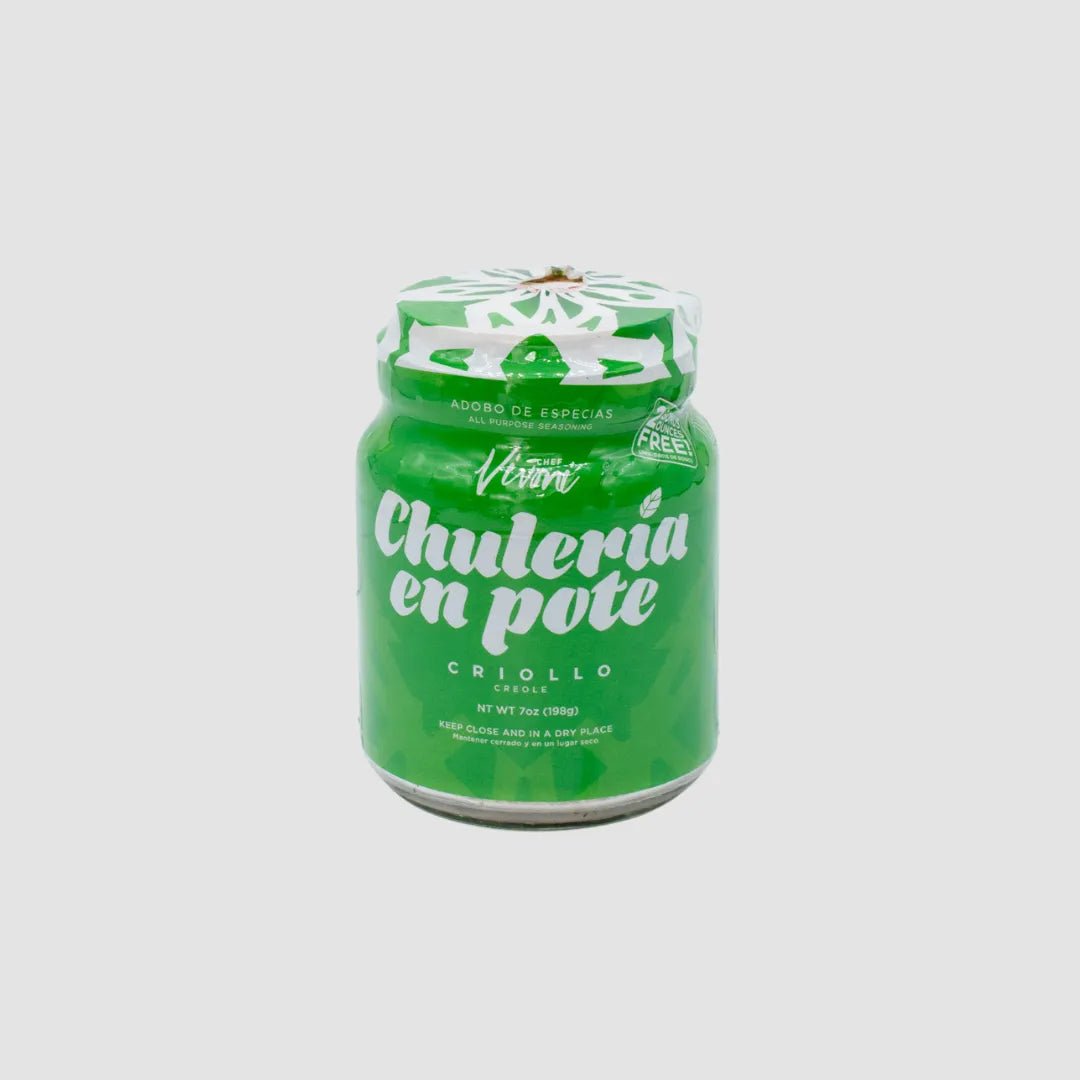
Chulería en Pote Criollo
Chef Vivoni built dried culantro into this blend, and you can taste it immediately. That's what a well-made Puerto Rican seasoning does. Use the Criollo as your dry-seasoning foundation, then finish with fresh cilantro at the end. The two layers together are what Puerto Rican food is supposed to taste like. Made in Puerto Rico. No MSG, no artificial colors.
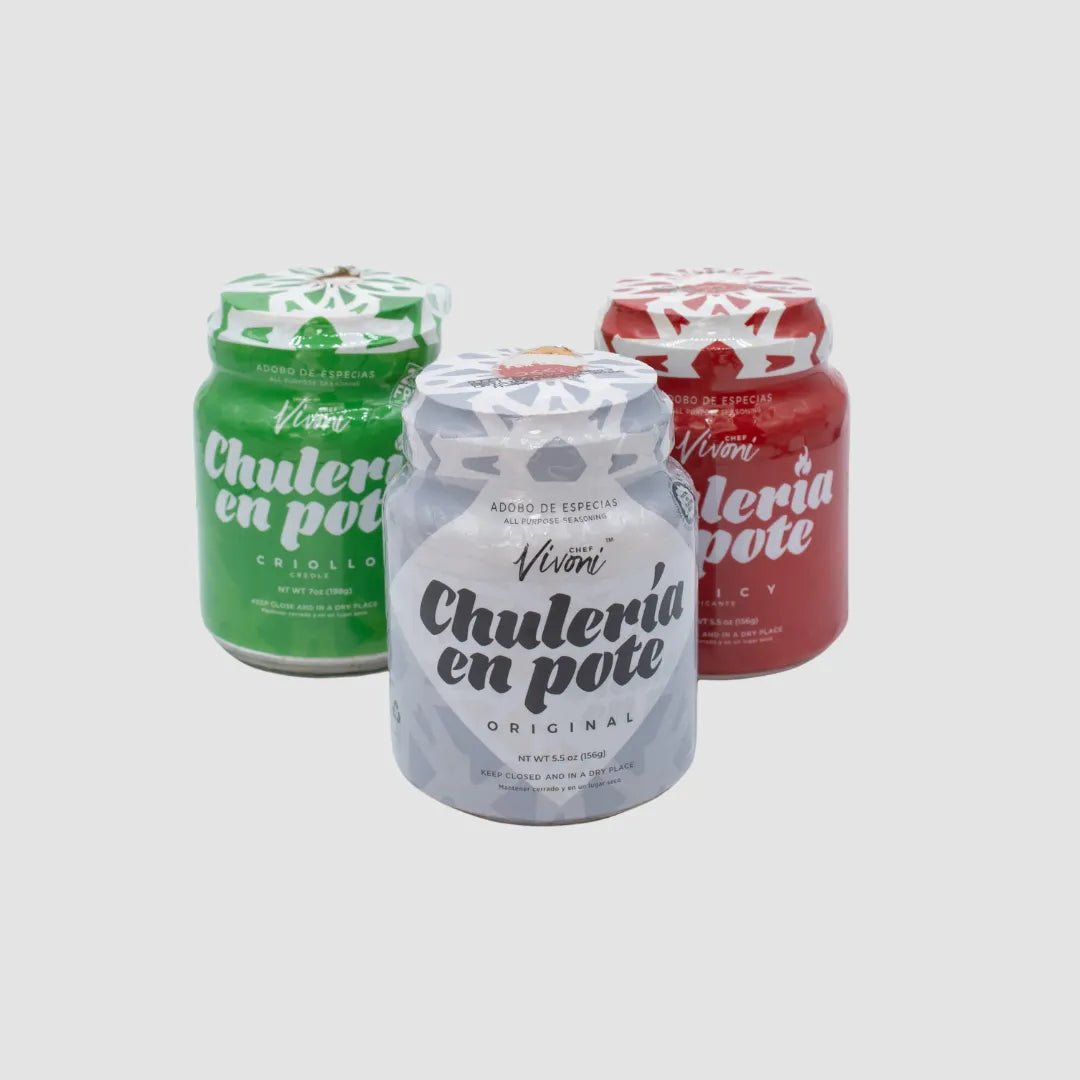
Shop Chulería en Pote Criollo → Try All 3 FlavorsHedman Soto Kitchen Notes
Latin cooking guides, straight to your inbox
Herb guides, sofrito technique, seasonal recipes, and new products, once or twice a month, nothing more.
Get the Newsletter →Frequently Asked Questions
Common questions about cilantro in Latin cooking.
What is the difference between cilantro and culantro?+
Cilantro and culantro are different plants that look similar and are used in the same dishes — but they are not the same herb. Cilantro (Coriandrum sativum) has delicate round-lobed leaves and a bright, citrusy flavor. Culantro (Eryngium foetidum) — called recao in Puerto Rico — has long serrated leaves and is roughly 10 times more pungent. In a Puerto Rican kitchen, both go into sofrito. But my mom uses recao for the habichuelas and cilantrillo for the rice. Each one has its lane.
Is cilantrillo the same as parsley?+
No. This is one of the most common mistakes I see. Cilantrillo and parsley look somewhat similar if you're not used to working with both, but the flavor difference is enormous. Parsley is mild and slightly bitter. Cilantro is bright, herbal, and unmistakable. You cannot substitute one for the other in a Latin recipe and expect the same result.
Can you substitute cilantro for culantro (recao)?+
Yes, with adjustments. Use about 4–5 sprigs of cilantro for every 1 leaf of culantro — recao is significantly more pungent. For long-cooked dishes like beans, add more cilantro than the recipe calls for, in two stages: some early for depth, more at the end for brightness. It won't be identical, but it works when recao isn't available.
Why does cilantro taste like soap to some people?+
A genetic variant in the OR6A2 gene makes certain people highly sensitive to the aldehyde compounds in cilantro — compounds that most people experience as citrusy and bright, but that taste soapy to those with this variant. Studies estimate about 14–21% of people with European ancestry carry this variant, compared to 3–7% of people with Latin American or South Asian descent. I genuinely feel bad for people who experience this — they're missing the real flavor of so much great food.
Is cilantro the same as coriander?+
Same plant, different parts. Cilantro refers to the fresh leaves and stems of Coriandrum sativum. Coriander refers to the dried seeds. The two have completely different flavor profiles — cilantro is bright and green; coriander seeds are warm, citrusy, and slightly sweet. In the UK, the fresh leaves are also called "coriander," which causes confusion in recipes written for an American audience.
How much cilantro goes into sofrito?+
A full bunch — about 1 to 1.5 cups loosely packed of leaves and tender stems. Puerto Rican sofrito is not subtle with its herbs. My mom makes it in big batches with the cilantrillo she grows in her yard and the ají dulces from my father's farm. The cilantro goes in raw, blended together with the recao, ají dulce, onion, and garlic. The ratio of herbs to aromatics is much higher than most cookbook sofrito recipes suggest.
Where can I find recao (culantro) on the US mainland?+
Latin grocery stores and Caribbean markets are the reliable source — Spanish supermarkets, especially in cities with Puerto Rican, Dominican, or Mexican communities. In New Jersey I have a Spanish supermarket nearby. In Brooklyn, I go to a market near Sunset Park. If you can't find fresh recao, dried culantro is available in the Latin foods aisle of larger stores — or it's in our Chulería en Pote Criollo blend. If you know, you know. You just have to find your spot.
How do you keep cilantro fresh longer?+
The jar method: trim the stems, stand the bunch in a glass with about an inch of water, cover loosely with a plastic bag, and refrigerate on a shelf. Change the water every few days. This keeps cilantro fresh for 10–14 days versus 3–5 days with the paper towel method. That said — if you're making sofrito, the better move is to use it all at peak freshness and freeze the sofrito. You lock in the flavor instead of preserving the raw herb.
Keep Reading
About the Author
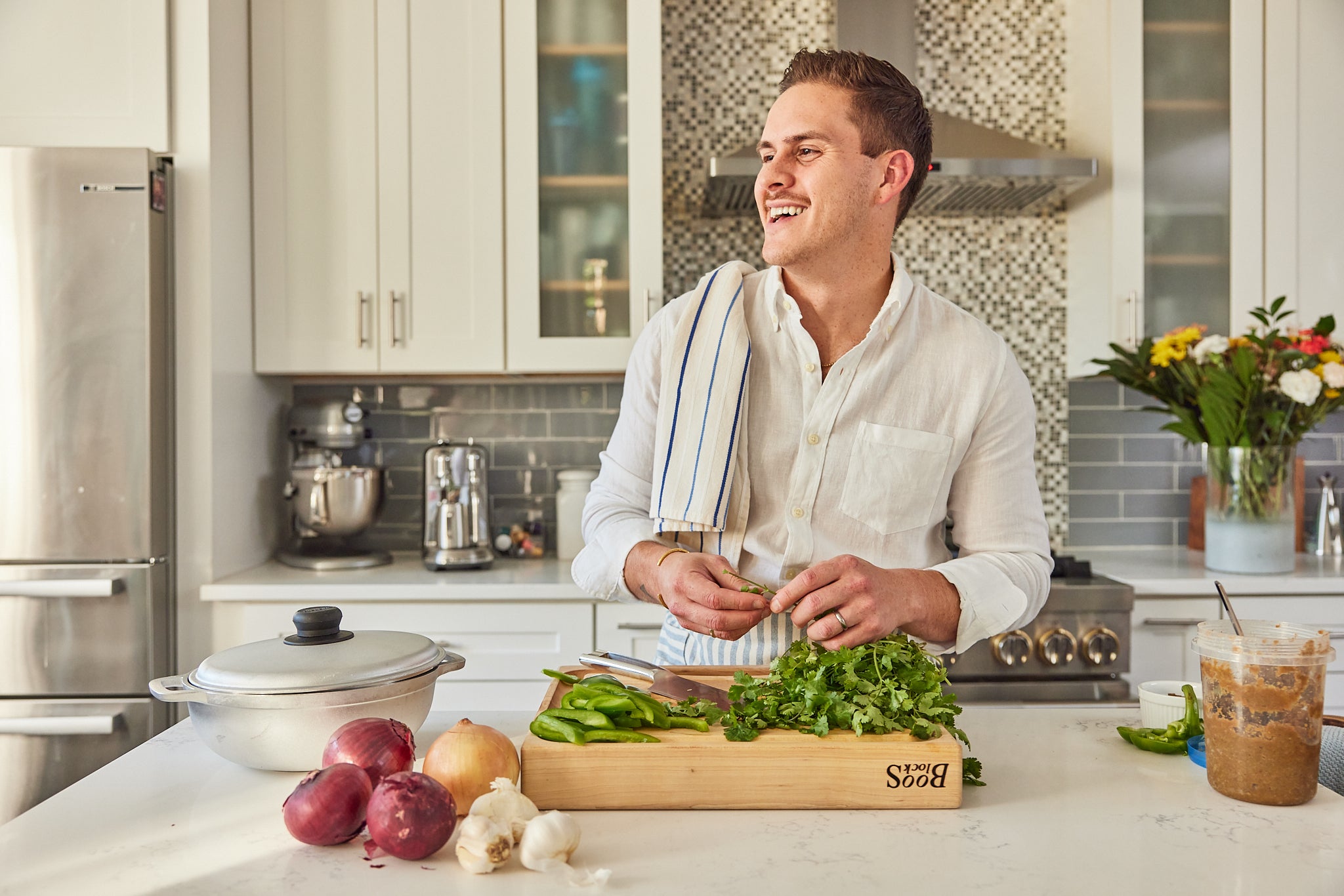
Founder of Hedman Soto. Born in Puerto Rico, raised on sofrito made with cilantrillo from the backyard and ají dulces from my father's farm. I started Hedman Soto to bring authentic Puerto Rican pantry staples — Chulería en Pote, Made By Cooks Sauces, and Wepa Coffee — to kitchens across the US mainland.