Quick answer
Arroz con gandules is Puerto Rican rice with pigeon peas, cooked in one pot. Medium-grain rice simmers in water with sofrito, achiote oil, a little sazón, tomato sauce, a bit of ham, olives and pimientos, then steams under a lid. Cook it in a caldero and you get pegao, the crispy layer at the bottom that everyone fights over.
In my family, nobody else makes the arroz con gandules. Mami does. Every Christmas, every birthday, every Sunday that matters. The rest of us bring something else and stay out of her way.
This is her recipe, written down while she cooked it, plus the one small thing I add in my own kitchen. It's simple. What makes it good is patience, a caldero and a nose for when the pegao is ready.
What is arroz con gandules?
Arroz con gandules means rice with pigeon peas. It's Puerto Rico's best-known rice dish and the one on every holiday table, right next to the pernil and the pasteles. The rice turns golden orange from achiote and sazón, the gandules give it an earthy bite, and the olives add a salty pop.
Gandules grow on a bush that loves the Caribbean heat. We grew them in our yard in Aguadilla, and my parents still send me fresh ones from our house in Puerto Rico. Fresh is the best. When I don't have them, canned gandules from the Latin aisle work well too.

Arroz con gandules recipe
This fills a caldero, about 6 to 8 servings. Two cups of rice feeds 4 or 5, depending on who's serving. Puerto Rican moms always over-serve. Mine does.
Cocina con Mami · Recipe
Arroz con Gandules
Puerto Rican rice with pigeon peas, the way my mom makes it: sofrito, achiote, a little sazón, olives and a caldero.
Ingredients
- 3 cups medium-grain rice (I use Goya medium grain)
- 3 cups water
- 1 can (15 oz) gandules (pigeon peas), drained, or about 2 cups fresh gandules cooked until tender
- A small handful of diced ham, about ¼ cup
- 2 tablespoons achiote oil
- 1 heaping serving spoon of sofrito (about 3 tablespoons), or more
- 2½ tablespoons tomato sauce
- A handful of green olives
- A few strips of pimiento morrón, chopped
- A little sazón (about ½ packet)
- Salt to taste
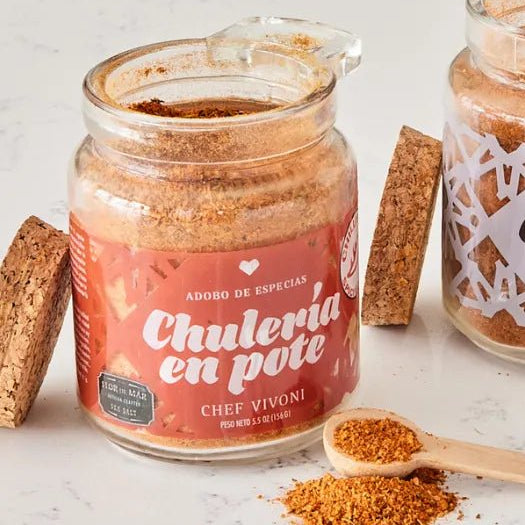
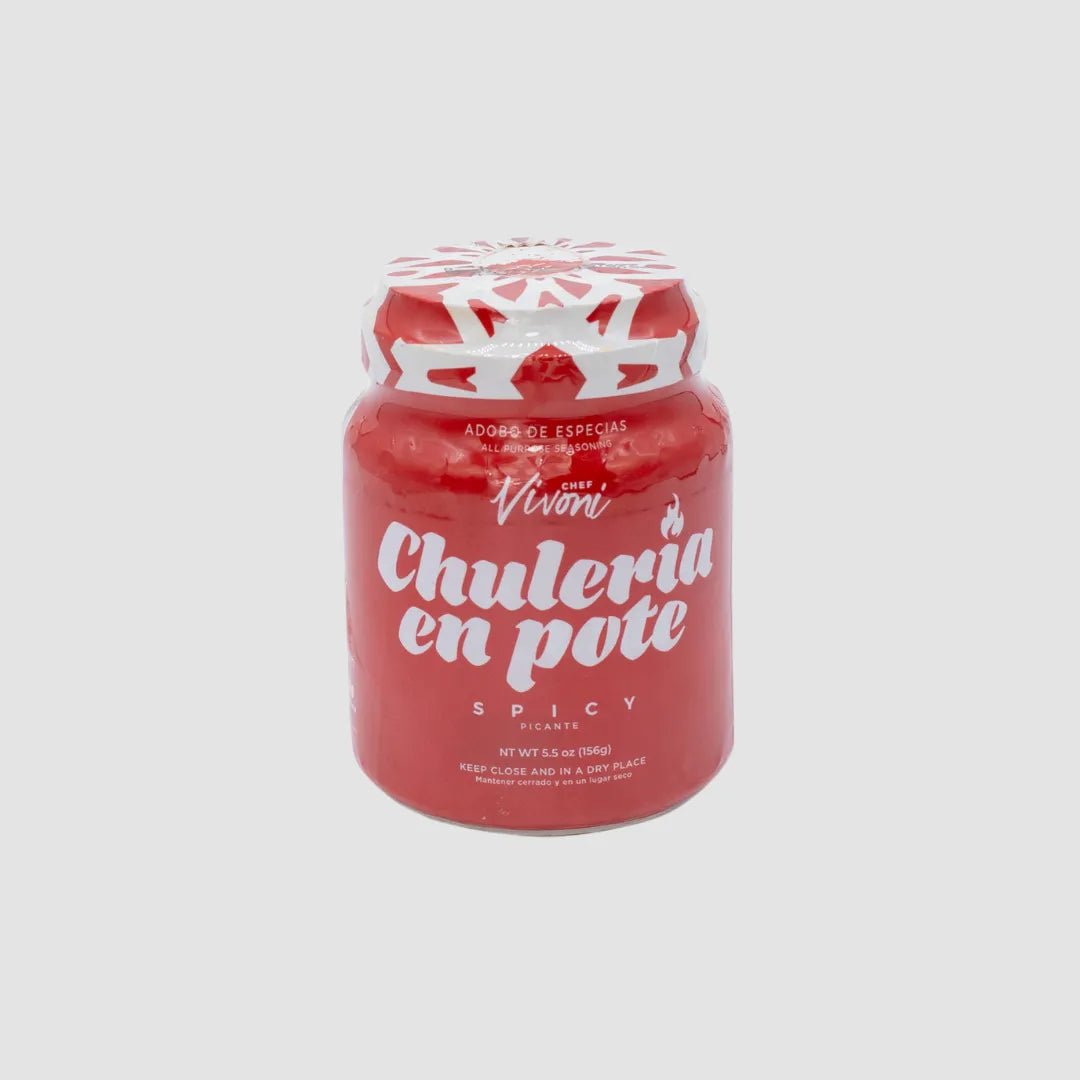
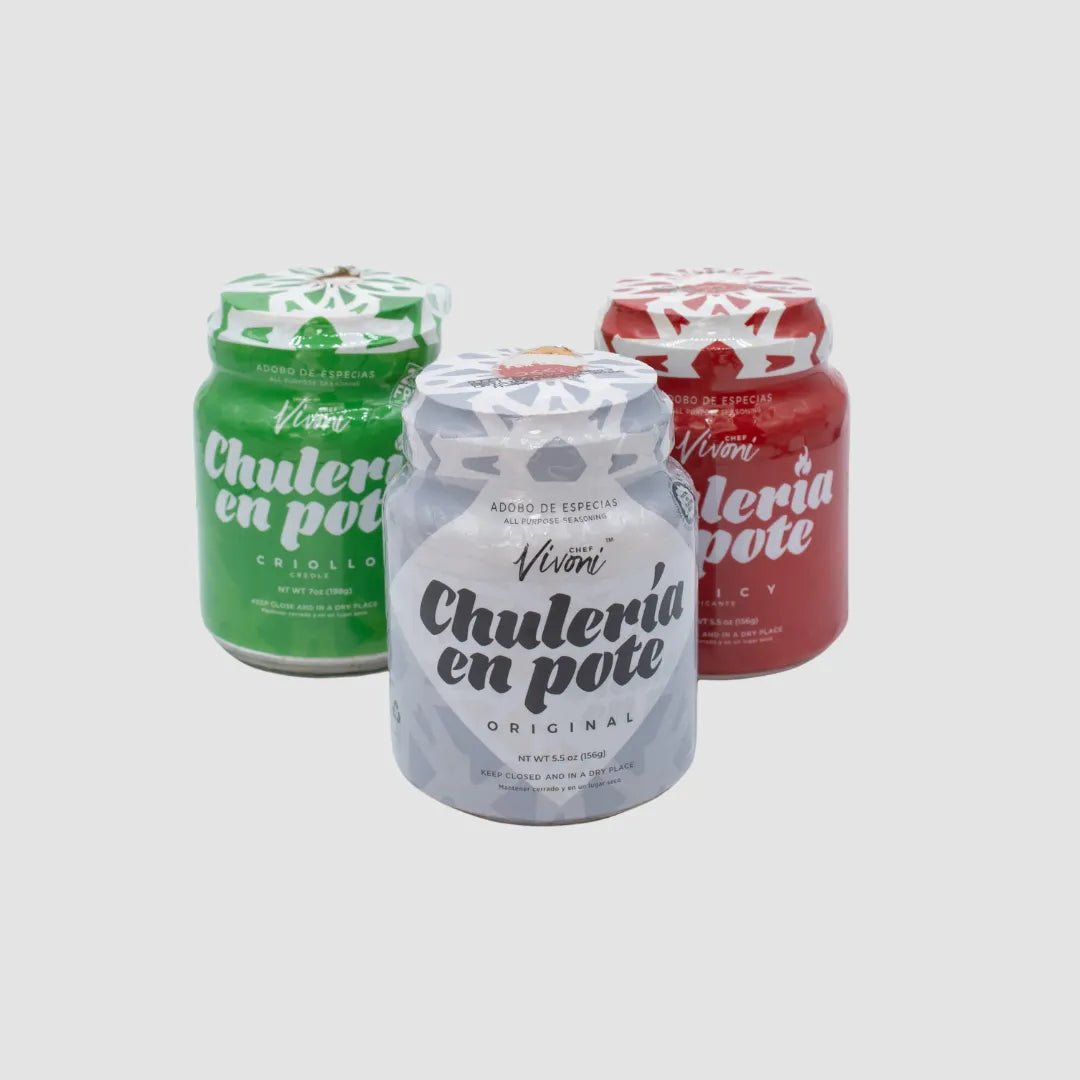
- Optional: a pinch of Chulería en Pote Spicy for a little heat
Instructions
- Rinse the rice. Cover it with cold water, swirl and drain. Repeat until the water runs mostly clear, then let it drain.
- Warm the achiote oil and ham. Heat the achiote oil in the caldero over medium heat. Add the ham and let it brown a little, 2 to 3 minutes.
- Cook the sofrito. Stir in the sofrito and cook it until the whole house smells delicious, 3 to 5 minutes.
- Build the base. Add the tomato sauce, sazón, olives and pimientos, plus the Chulería Spicy if you're using it. Cook 1 to 2 minutes.
- Add the gandules and water. Bring it to a boil and taste. The liquid should taste a little saltier than you'd like, because the rice will soak it up. Fix the salt now.
- Add the rice. Stir once to spread it evenly. Cook uncovered over medium heat until the water drops below the rice and small holes show on top, about 10 minutes.
- Cover and cook low. Turn the heat to low, cover tightly and leave it alone for 20 to 25 minutes. Don't lift the lid.
- Make the pegao. Uncover the caldero and let the bottom keep toasting. Take it off the heat when it smells toasty, before it smells burnt.
- Serve. Fluff the rice from the edges in, then scrape up the pegao from the bottom.
Mami's rule: go easy on the ham. The gandules are the star. The ham is just a treat.
Pegao: the best part
Pegao is the golden, crunchy rice stuck to the bottom of the caldero. Some people call it burnt. In Puerto Rico it's the prize, and someone is always waiting by the stove for it.
Three things get you there: enough oil at the start, a heavy caldero that spreads the heat evenly, and time with the lid off at the end. Mami's rule is the smell. Toasty is right. Burnt is too far.
A note from Hedman
Trust me on the caldero. I've tried every pot in my kitchen, and the rice is never the same. And I only learned the pegao trick from Mami this year: take the lid off and let your nose decide. After all these years of eating her rice, she's still teaching me. — Hedman
Tips from Mami's kitchen
- Use a caldero. It's the perfect pot for the perfect rice.
- Go easy on the ham. The gandules are the star.
- Don't be shy with the sofrito. I add a little more than she does and cook it until the house smells like dinner.
- Achiote for color, sazón for a little extra. Mami colors the rice with her own achiote oil and uses just a bit of sazón. You can see her straining it in my guide to Puerto Rican spices.
- Water, not broth. And taste it before the rice goes in. Once the rice is in, it's too late to fix the salt.
- Leave the lid alone while it steams. Every peek lets the steam out.
What to serve with arroz con gandules
Pernil is the classic partner, especially at Christmas. Add sliced avocado, tostones and a bottle of pique on the table. Leftovers? Roll them into bolitas de arroz the next day.
Not sure which seasoning goes where? Sazón goes in the rice, adobo goes on the meat. More in Adobo vs Sazón.
Arroz con gandules FAQ
What rice is best for arroz con gandules?
Medium-grain white rice. It soaks up the sofrito and color but still cooks into separate grains. I use Goya medium grain.
Should you rinse the rice?
Yes. Rinse it until the water runs mostly clear. It washes off loose starch so the rice doesn't turn gummy.
Water or broth?
Water. The sofrito, achiote, ham and olives bring all the flavor the pot needs.
Can I use canned gandules?
Yes. Fresh gandules are the best when you can get them, but canned pigeon peas from the Latin aisle work well. Drain them first.
What is pegao?
Pegao is the crispy layer of rice at the bottom of the caldero. Uncover the pot at the end and let the bottom toast. Take it off the heat when it smells toasty, before it smells burnt.
What gives arroz con gandules its color?
Achiote (annatto), usually as homemade achiote oil, plus a little sazón and tomato sauce.
How many people does it serve?
Two cups of dry rice feeds about 4 or 5 people. Three cups fills a caldero for 6 to 8.
Do I need a caldero?
For the best rice and the best pegao, yes. A heavy Dutch oven is the closest substitute, but the rice isn't quite the same.