By Hedman Soto · Food Guides · 9 min read
The Quick Answer
Recao is the Puerto Rican name for culantro (Eryngium foetidum), a Caribbean herb with long, serrated leaves and a stronger, more pungent flavor than cilantro. Recao and cilantro are different plants — though Americans confuse them constantly because the names sound similar. Recao is the herb that gives Puerto Rican sofrito its signature depth, and it is what you actually need for authentic Boricua, Dominican, and Caribbean cooking. If a recipe calls for recao, cilantro is the substitute — not the equivalent.
My first memory of recao is in my grandmother's garden in Aguadilla.
She had recao plants growing all over the back yard. She used to send me out to pick them — long leaves with spiky edges, taller than the cilantro most Americans know. I was a kid. I had no idea what I was bringing her. Then I would watch her chop them and drop them into the pot of habichuelas, and the kitchen would change. The earthiness, the deep aromatic flavor — recao takes a pot of beans to another level. It is the touch that elevates everything it goes near.
Twenty five years later I'm in Brooklyn, and my mom just sent me a recao plant from her garden in Aguadilla — seeds and a full root system. I had no idea recao plants have such a huge bulb root. I planted it immediately. It sits in a pot in my house, and every time I cook, I have a piece of the island within arm's reach.
If you've ever followed a Puerto Rican recipe that called for recao and grabbed cilantro at the grocery store hoping it was the same thing — you're not alone. Most Americans confuse them. Let me untangle the four names that get tangled together, then show you what to actually do with recao.
Recao, culantro, cilantro, coriander — what's actually different
Three plants. Two languages. Centuries of confusion. Here's the real breakdown.
So the actual relationships:
- Cilantro and coriander come from the same plant
- Recao and culantro are the same plant
- Cilantro and recao are different plants that taste similar
In Hedman's Words
"The cilantro-recao confusion happens every day. Cilantro looks a little like parsley, so I understand part of the mix-up. But recao has a completely distinctive flavor. Once you've tasted it in habichuelas, you don't go back."
What recao actually tastes like
If cilantro is a soft brunch jazz album, recao is a Friday night reggaeton party. Same family of flavor, very different volume.
Recao has a deeper, earthier, almost camphor-like character with a savory back-end that cilantro doesn't have. It's the same overlapping herbaceous note as cilantro but turned up several decibels. People who find cilantro slightly soapy (it's genetic — the OR6A2 gene) will find recao hits even harder.
In a dish, recao doesn't sit on top like a cilantro garnish does. It cooks down and infuses everything around it. Which is exactly why it's the backbone of Puerto Rican sofrito — and why it makes habichuelas taste like home.
Why Puerto Ricans cook with recao instead of cilantro
Because recao stands up to long, slow cooking. Cilantro doesn't.
Cilantro is fragile. Add it at the start of a stew and the flavor cooks out in twenty minutes. That's why most cilantro recipes add it at the end — sprinkled on tacos, stirred into salsa just before serving, scattered over a curry as a finishing touch.
Recao is the opposite. The flavor deepens the longer it cooks. When you build a Puerto Rican sofrito — the aromatic base of beans, stews, rice, and almost every savory dish on the island — you blend recao with cilantro, garlic, onions, peppers, and ají dulce. The recao does the heavy lifting on the bottom layer. The cilantro brightens the top.
My dad uses recao every time he makes the seasoned chicken for our family's pasteles. It's not optional. Take the recao out and the chicken loses its identity.
My family's sofrito (made by eye, with my mom)
I make sofrito at our beach house in Asbury Park, New Jersey. I usually wait until my mom comes to visit so we can do it together — and because she's the one who taught me how to do it right. She does everything by eye. Nothing is measured. It's all about taste and color.
The one rule she never breaks: ají dulce. It's not optional. If you can't find ají dulce (small Caribbean sweet peppers), mini bell peppers are the closest substitute, but the result will be slightly less complex.
Family Recipe
Basic Puerto Rican Sofrito
My mother makes this by eye, color, and taste. These quantities are a starting point — adjust until it looks right and smells like Puerto Rico.
Ingredients
- 2 medium yellow onions, roughly chopped
- 1 head of garlic, peeled
- 2 bell peppers (any color), seeded and chopped
- 6 to 8 ají dulce peppers (or mini bell peppers as a substitute)
- 1 large bunch of cilantro
- 1 small bunch of recao (8 to 10 leaves)
- Optional: a splash of olive oil to help it blend
Instructions
- Combine everything in a food processor or blender.
- Pulse until you have a slightly chunky paste, not a smooth puree.
- Taste. Adjust ratios if needed (more garlic, more recao, less onion).
- Freeze in ice cube trays. Pop a cube into the pot whenever a recipe calls for sofrito.
A batch this size yields roughly 30 to 40 sofrito cubes, enough for two to three months of regular Puerto Rican cooking.
The recao tip nobody tells you
This one took me years to learn from my mom, and you won't find it on Wikipedia.
Pro Tip From Aguadilla
Recao is at peak flavor when the leaves are bright, vibrant green. Once they start to brown, the flavor drops fast.
If you have extra recao leaves that are still bright green and you can't use them in time, dehydrate them. Lay them flat on a dehydrator tray or low oven (170°F for 2 to 3 hours) and store the dried leaves in an airtight jar. You'll have recao flavor on hand all winter, even when fresh is impossible to find.
Where to find recao in the U.S.
The honest truth: not every supermarket has recao. The hunt is real, especially outside major cities. Here's where to actually look:
- Latin American grocery stores — especially Puerto Rican, Dominican, Cuban, or Mexican. This is your best bet. We're everywhere, so there's likely one closer than you think.
- Caribbean grocery stores — anywhere with a Caribbean diaspora population (Florida, NYC, NJ, parts of Texas).
- Asian markets with Vietnamese, Thai, or Filipino produce — recao is called ngo gai in Vietnamese and pak chee farang in Thai. Same plant.
- Some Whole Foods locations in cities with large Latin populations.
- Farmers' markets in Puerto Rican neighborhoods (NYC, NJ, Florida, Chicago).
If you can't find fresh recao anywhere near you, you have three options: buy frozen recao paste at a Latin grocer (it freezes beautifully and the flavor holds), use a seasoning blend built around the same flavor profile, or grow your own. Recao grows well in warm, humid climates and partial shade — and if your mom in Aguadilla sends you a plant, that works too.
If you absolutely can't find recao, here's what to substitute
In order of how close they get you to the real thing:
- Double the cilantro — not the same flavor, but the closest you'll get
- Cilantro plus a small pinch of cumin — the cumin adds the earthy depth recao gives
- Cilantro stems, not just the leaves — the stems carry more of the deep flavor
- Dried recao sold at some Latin grocers — weaker than fresh but better than nothing
A Faster Path
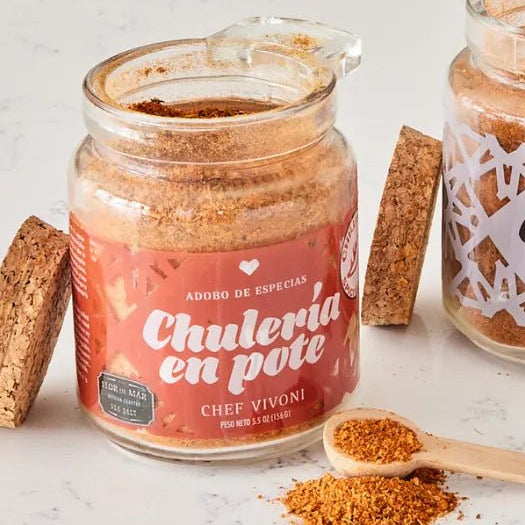
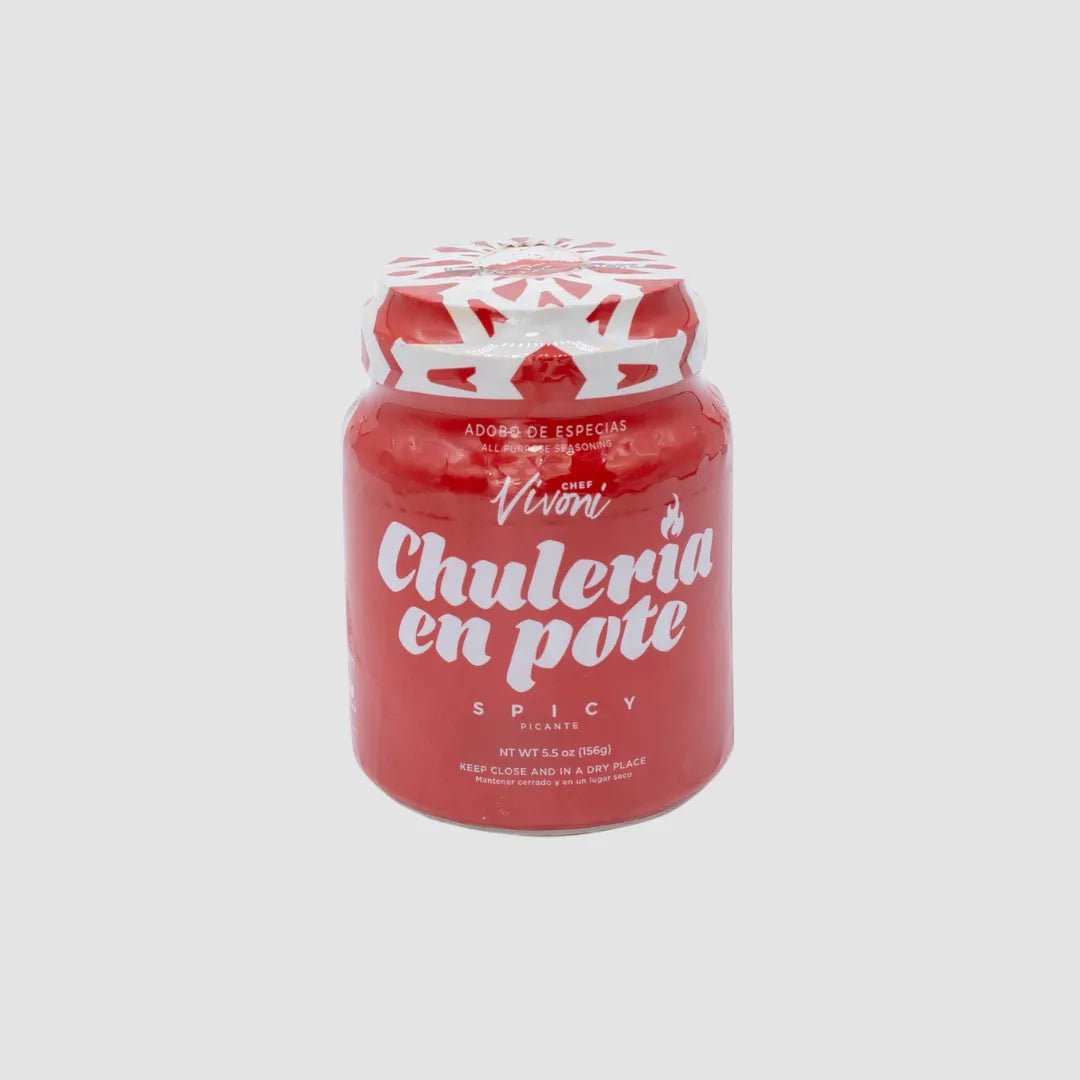
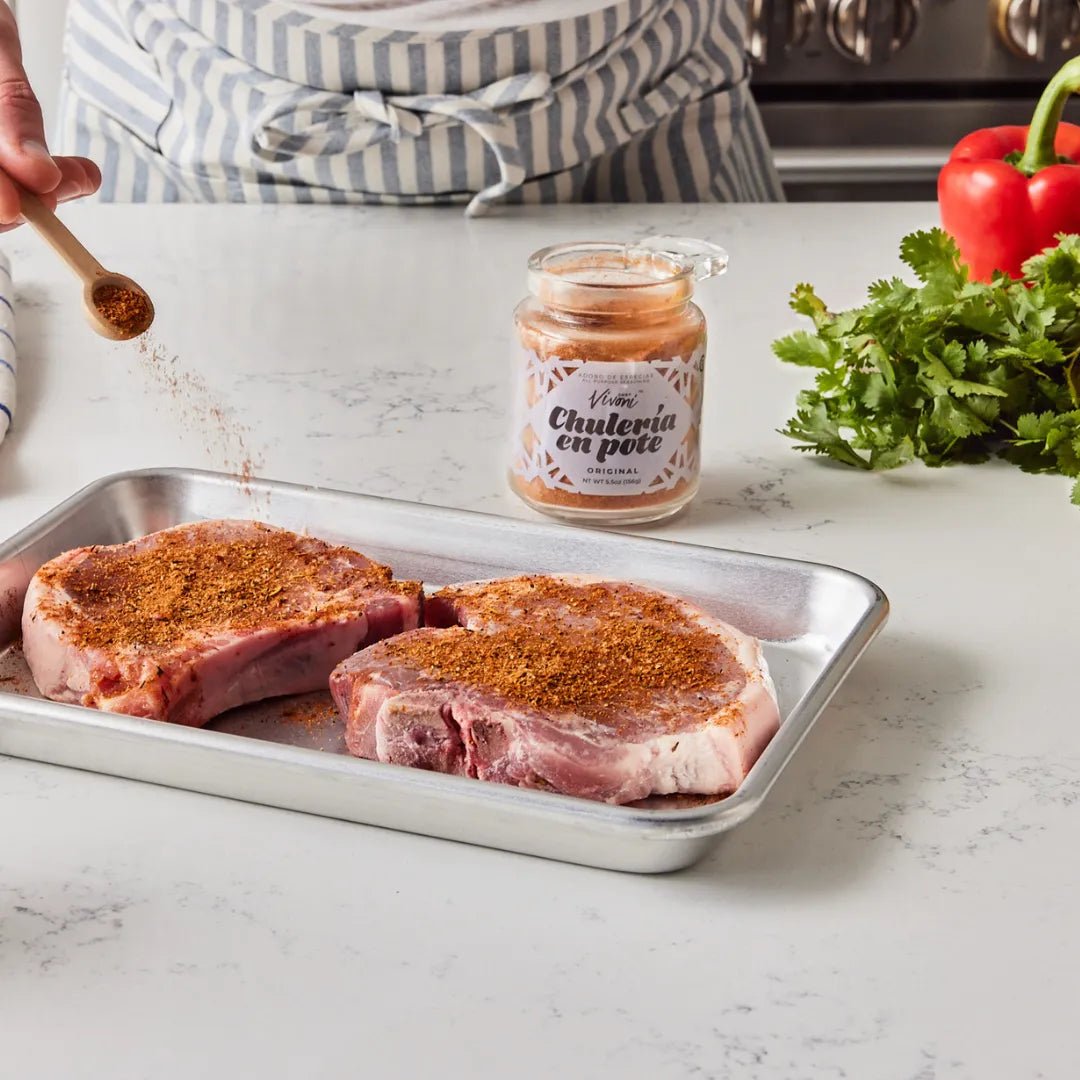
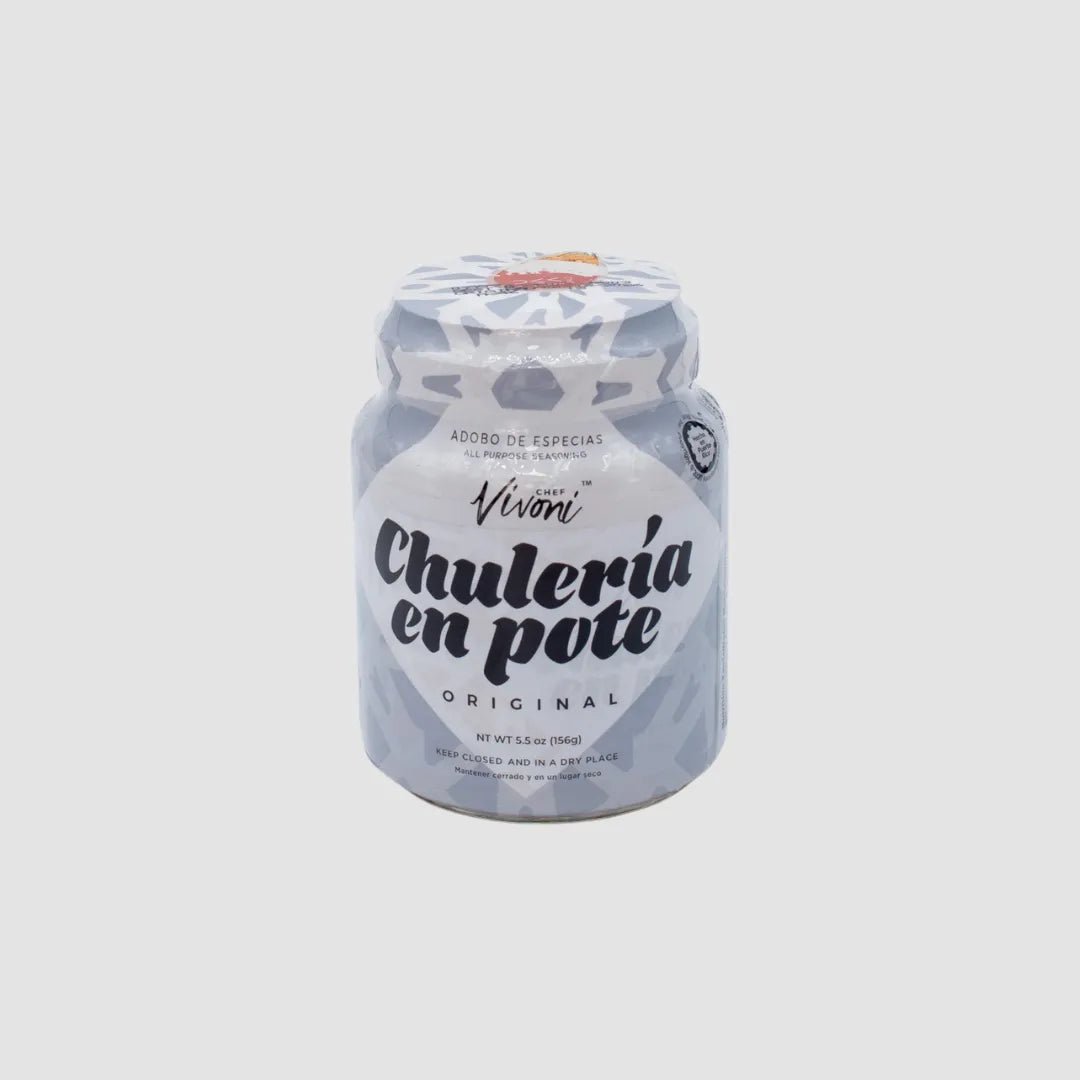
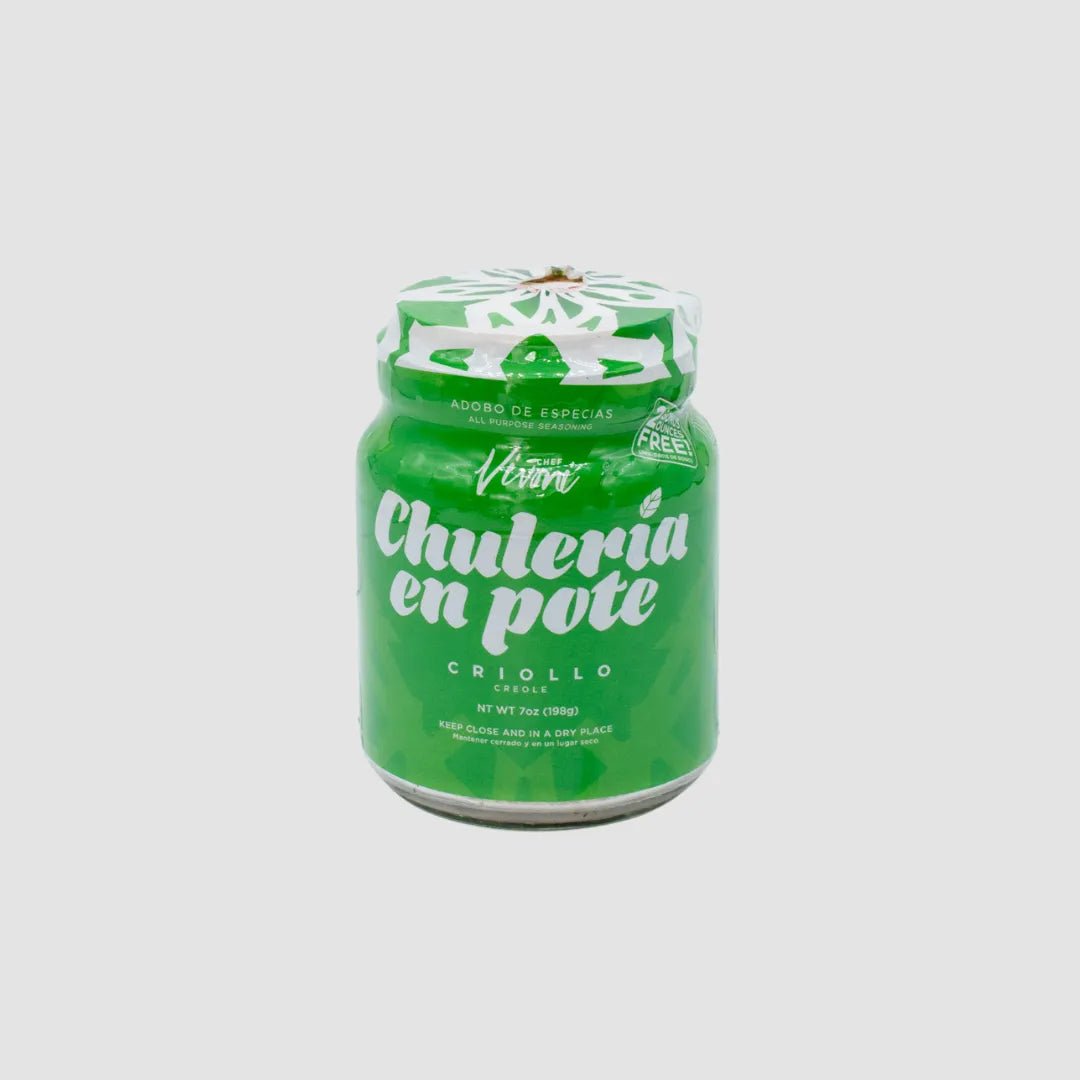
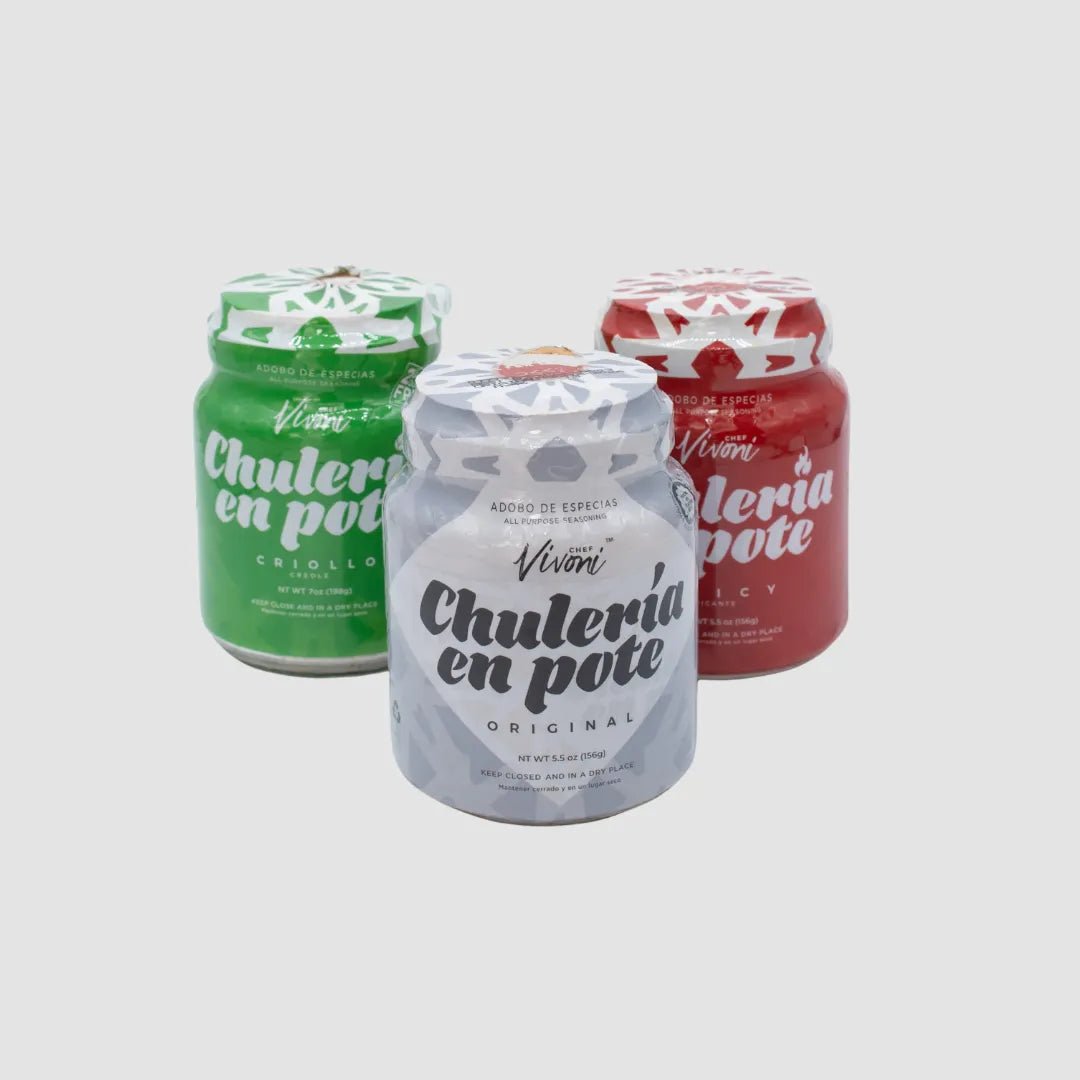
No recao nearby? Try Chulería en Pote.
Chef Vivoni's Chulería en Pote captures the same flavor profile as Puerto Rican sofrito — recao, ají dulce, garlic, and the aromatic Boricua base — concentrated into a small-batch shelf-stable seasoning. One jar replaces the work of building sofrito from scratch.
Shop Chuleria en Pote →Recao FAQs
Is recao the same as cilantro?
No. Recao (Eryngium foetidum) and cilantro (Coriandrum sativum) are different plants from different botanical families. They share a similar herbaceous flavor profile, which is why they're often confused, but recao has a stronger, more concentrated taste and longer, serrated leaves. Cilantro is the closest substitute when recao is unavailable, but the flavors are not identical.
Is recao the same as coriander?
No. Coriander is the seed (or in British English, the entire plant) of Coriandrum sativum — the same plant whose leaves are called cilantro in American English. Recao is a completely different plant: Eryngium foetidum, also called culantro. The names sound similar, which causes the confusion, but they are unrelated species.
What is the difference between recao and culantro?
There is no difference. They are the exact same plant. Recao is the Puerto Rican name. Culantro is the broader Spanish name used in Mexico, Central America, and other Latin American countries. Same herb, different cultural names.
Can I grow recao at home?
Yes. Recao grows well in warm, humid climates and partial shade. It is a perennial in tropical climates and an annual in cooler zones. The roots form a surprisingly large bulb, so give it a deep pot. You can grow it from seed indoors or buy starter plants from Caribbean and Asian nurseries. I have one growing in a pot in my house in Brooklyn — it came from my mom's garden in Aguadilla.
What does recao taste like?
Recao tastes like cilantro intensified — earthy, herbaceous, with a deeper, almost savory finish. People who find cilantro slightly soapy will find recao much more so. In cooked dishes the flavor mellows into a warm aromatic backbone, which is why it is the foundation of Puerto Rican sofrito and habichuelas.
How do I keep recao fresh longer?
The leaves are at peak flavor when they are bright, vibrant green. Once they start browning, the flavor drops fast. Wrap fresh recao in a damp paper towel and store in a plastic bag in the fridge for up to a week. For longer storage, dehydrate the bright green leaves in a low oven (170°F for 2 to 3 hours) and keep in an airtight jar. The dried version will hold flavor for several months.
Does Chuleria en Pote contain recao?
Yes. Chulería en Pote by Chef Vivoni is built around the flavor profile of Puerto Rican sofrito, which is anchored by recao, ají dulce, garlic, and other aromatic ingredients. It is the closest shelf-stable approximation of the fresh sofrito a Puerto Rican abuela would make from scratch.
Keep Reading
About the author: Hedman Soto is the founder of Hedman Soto, a Puerto Rican pantry brand featuring Chef Vivoni and Chef Rafael Ubior. He grew up in Aguadilla, Puerto Rico, and now splits his time between Brooklyn, NY and Asbury Park, NJ — with a recao plant from his mother's garden growing on his windowsill.